
MVP Development Services
We build minimum viable products that test your core assumption with real users in weeks rather than months — so you walk away with actual usage data instead of guesswork, without burning through your runway.

What MVP Development Actually Means (And What It Doesn’t)
Not a Prototype or a Stripped-Down App
An MVP isn’t a stripped-down version of your final app. It’s not a prototype either, and it’s not a slide deck with a “coming soon” button.
Built Around One Core Hypothesis
A proper minimum viable product is built around one core hypothesis — the single assumption your entire business depends on. Get that wrong, and everything downstream — your pricing, your growth plan, your Series A pitch — is wrong too.
Prove or Kill the Assumption Fast
The job of MVP software development is to prove or kill that assumption fast, using the smallest build that still delivers real value to a real user.
Build What the Market Confirms
Founders who skip this step tend to make the same mistake: they build the product they imagine, not the product the market confirms. By the time they find out the market disagrees, they’ve spent 8 months and $150K finding out.
Why Most First-Time Founders Get MVP Scope Wrong
Three patterns show up again and again:
Feature creep before validation.
Adding “nice to have” features before anyone’s confirmed the “must have” one works.
Building for scale too early.
Architecting for 100,000 users before you’ve earned your first 100.
Treating the MVP as the final product.
Then getting frustrated when it needs to be partly rebuilt after user feedback — which is expected, not a failure.
Good startup MVP development anticipates all three and designs around them from day one.
Why Founders Choose Us for MVP Development

Superior Technical Expertise
Every MVP we ship comes with:
- A dedicated project team, not a rotating cast of contractors
- Weekly sprint reviews so you see real progress, not status updates

Experienced Consultants & Developers
- Full source code ownership from day one — the code is yours outright, deployable anywhere, with nothing held back if you switch vendors later
- 3–6 months of post-launch support included, so the product doesn’t stall the moment it ships
We’ve helped founders across dating, fintech, edtech, and health-tech go from idea to funded product — including startups that went on to raise institutional funding on the strength of the traction their MVP generated.
Related services
- Software Development
- System Integration
- Software Design
- Software Testing
- Software Maintenance & Support
- Custom API Development
- Cloud Software Development
- Web App Development
- Web Development
Our MVP Development Process
We run a structured, six-stage process. Each stage has a defined output, so you always know exactly where your project stands and what’s coming next.
01
Discovery
We start by understanding your business model, your target user, and — most importantly — the one hypothesis your product needs to prove. This involves structured interviews, competitive research, and a review of your existing assumptions, whether that’s a pitch deck, prior user interviews, or a whiteboard sketch.
02
Strategy & Scope Definition
From discovery, we build a prioritized feature list using one filter: does this feature help validate the core hypothesis, or does it just make the product feel more complete? Anything in the second category gets parked for post-validation. This is also where we define your tech stack, timeline, and budget boundaries — before a single line of code gets written.
03
UX & Technical Design
We map user flows and wireframe the core experience, then move into system architecture: database structure, API design, third-party integrations, and infrastructure choices. We favor proven, well-documented technology over trendy stacks that slow the team down solving framework problems instead of business problems.
04
Development
Build happens in short sprints, typically one to two weeks each, with a working, testable version available at the end of every sprint — not just at the finish line. You see progress continuously, not on faith.
05
Testing & QA
Every MVP goes through functional testing, cross-device checks, and security review before launch. Lean doesn’t mean fragile — a product that fails in front of your first real users defeats the entire purpose of building it.
06
Launch & Post-Launch Support
We deploy, monitor early usage closely, and stay available through the critical first weeks when real user behavior surfaces issues no amount of internal testing catches. This is also when usage data starts feeding back into your roadmap.
How Much Does MVP Development Cost?
MVP development cost is driven primarily by four factors:
Platform
A single-platform mobile app or web app costs meaningfully less than a cross-platform build with a backend admin panel.
Integration complexity
Payment processing, third-party APIs, or AI features add development time.
Design depth
A functional, clean UI costs less than a fully custom design system.
Team structure
Fixed-scope pricing versus hourly or dedicated-team pricing changes both cost and risk profile.
A focused MVP with core functionality typically falls between $8,000 and $30,000 — the range exists because platform choice, integration count, and design depth each shift the build independently, not because pricing is arbitrary. Complex builds involving custom AI, multi-sided marketplaces, or heavy compliance requirements run higher.
Be cautious of any agency quoting a fixed number before understanding your hypothesis. Cost should follow scope, not the other way around.
How Long Does MVP Development Take?
Most MVPs we build ship in 6 to 10 weeks from kickoff to launch. Simpler builds — a single core feature with basic auth and one integration — can land closer to 4 weeks. Products involving custom backend logic, multiple user roles, or AI components typically need 10 to 14 weeks.
A fully-featured product promised in two weeks is usually a template being resold, not a product engineered around your specific hypothesis.
MVP Development for Startups vs. Established Businesses
For early-stage startups, speed and cost discipline matter most. The goal is validated learning, not a polished product — every dollar spent should be justifiable by what it teaches you about the market.
For established businesses launching a new product line, there’s usually more budget flexibility, but the trap is different: internal stakeholders often push for a “complete enough” product before it’s tested, since a half-formed product feels risky to a company with an existing reputation to protect. Here, managing that internal pressure is as much a part of the job as managing the build itself.
Common MVP Development Mistakes We Help Founders Avoid
- Skipping user research entirely and building based on founder intuition alone.
- Choosing technology based on hype rather than what the team can maintain and scale reliably.
- No clear success metric defined before launch — meaning nobody can confirm what the MVP actually validated.
- Treating post-launch iteration as optional rather than the actual point of shipping an MVP in the first place.
Industries We Build MVPs For
MVP development principles stay consistent, but domain knowledge changes what “minimum viable” actually means. We’ve built MVPs across:
- FinTech and neobanking
- Healthcare and health-tech
- E-commerce and marketplaces
- EdTech and online learning
- Logistics and supply chain
- Real estate platforms
- Social and dating platforms
Automotive
B2B
Healthcare
Education
Ecommerce
Food
Manufacturing
Fashion
CRM
Logistics
Travel
Legal
Agriculture
Finance
Real Estate
Regulated industries need compliance built in from day one, not bolted on after launch. Healthcare products are architected around HIPAA from the first data model; fintech products around PCI-DSS from the first payment flow. Retrofitting compliance after launch is expensive and sometimes impossible without a rebuild.
Our success stories
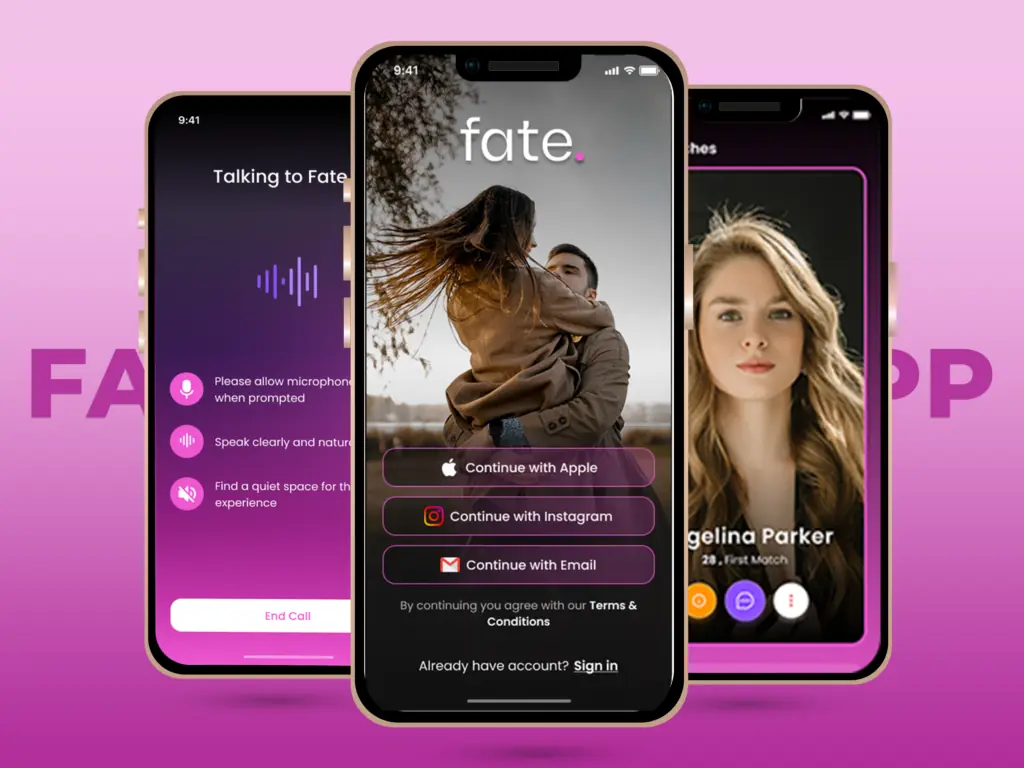
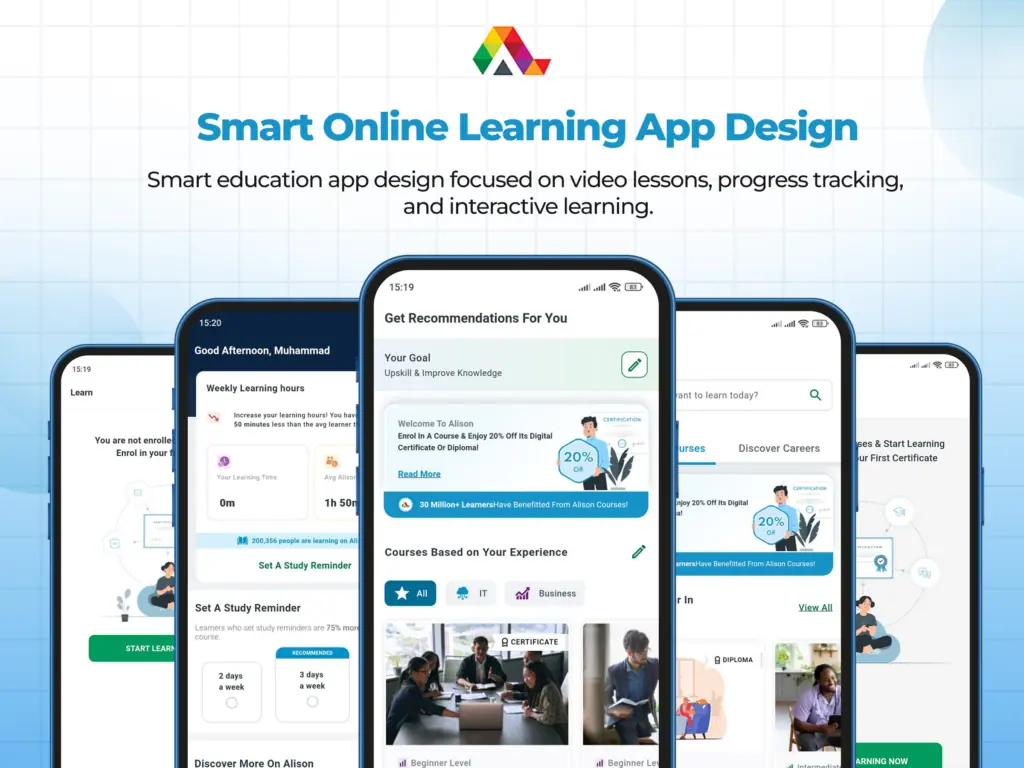
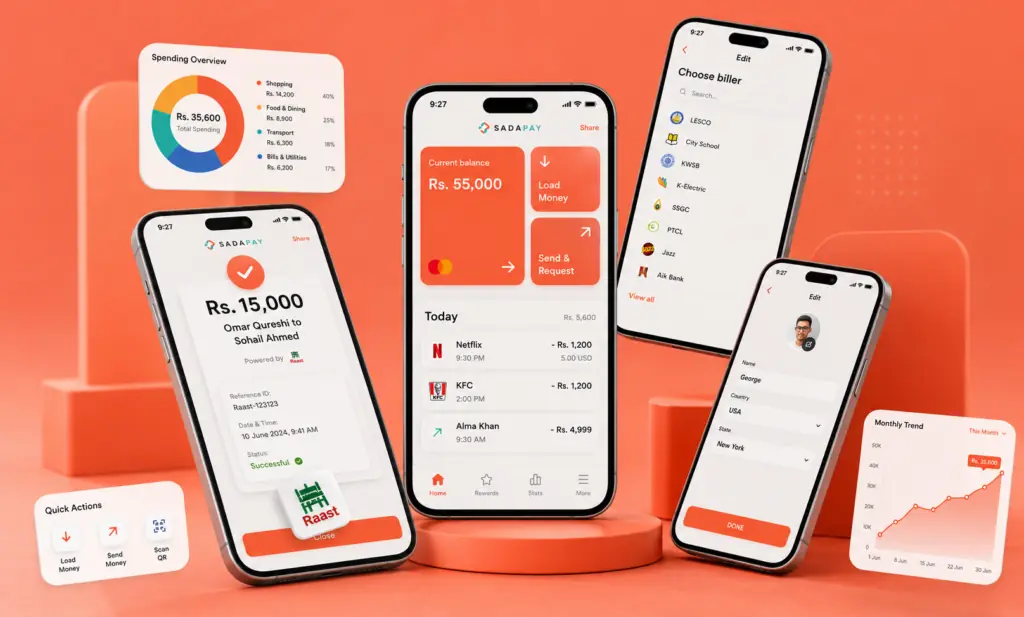
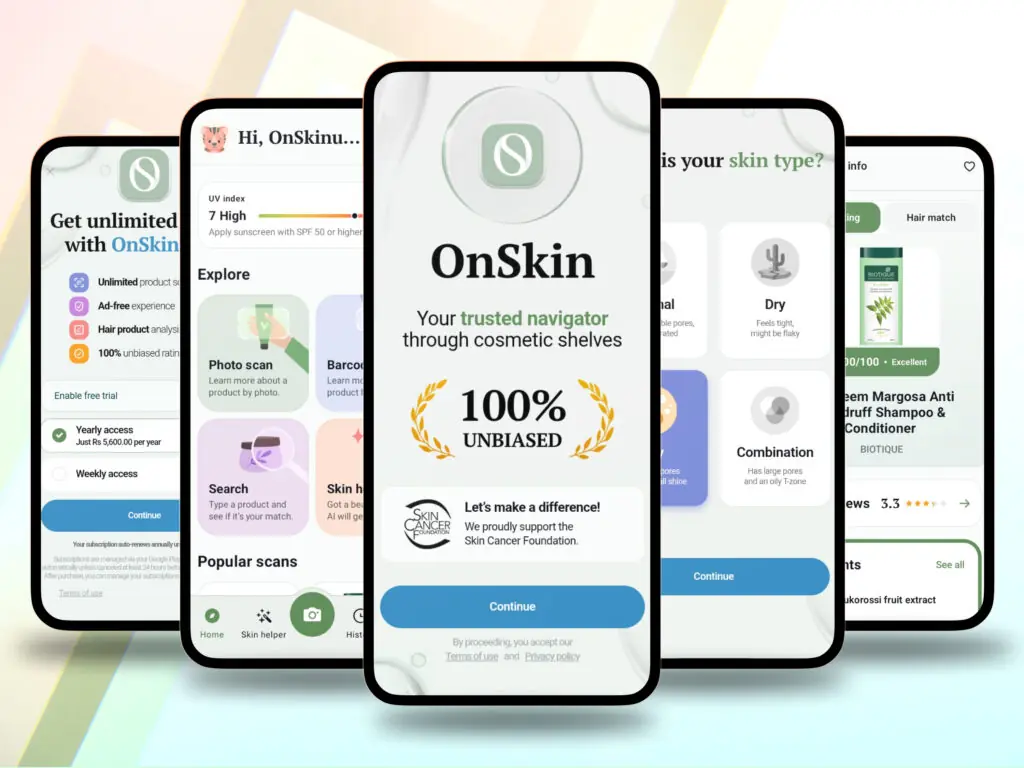
- Your stage, your path
Founders simply love what we ship
Proud to be the technical partner behind startups and industry leaders who trusted us with their vision.
Clutch
DesignRush
GoodFirms
M TECHUB LLc. delivered a reliable app with unique features that met the client’s expectations. The app demonstrated high uptime, low crash rates, and smooth performance across platforms. M TECHUB LLc. was responsive, dedicated, and timely. The client was pleased with the engagement.

CEO & Founder of Fate Dating Ltd
Fate
M TECHUB LLc. successfully developed the mobile apps, and the client was pleased with the engagement. M TECHUB LLc. was understanding, collaborated seamlessly with the client’s team, and their project management was effective. The team used Slack and monday.com to collaborate.

CEO of Sadapay
Sadapay
M TECHUB LLc. delivered a fully functional and stable app on time and within budget. The team demonstrated remarkable professionalism and technical expertise throughout the engagement. Furthermore, M TECHUB LLc. helped the client improve internal processes and automate key operations.

Project Manager of Jet-hunter
Jet-hunter
- Insight
Our blogs
FAQs
What are MVP development services?
MVP development services cover the strategy, design, development, and launch of a minimum viable product — a working version of your product built around one core hypothesis, tested with real users before you invest in the full build.
What makes M TECHUB LLC the best MVP development company?
A structured six-stage process, transparent scope-based pricing, full source code ownership with no vendor lock-in, and 3–6 months of free post-launch support on every build — plus a track record with funded startups across fintech, edtech, and health-tech.
How much does MVP development cost?
A focused MVP typically runs $8,000–$30,000 depending on platform, integration complexity, and design depth. Complex builds involving custom AI or compliance requirements run higher. We scope before we quote — cost follows scope, not the other way around.
How long does MVP development take?
Most MVPs ship in 6 to 10 weeks from kickoff to launch. Simpler builds can land in 4 weeks; builds with custom backend logic or AI components typically need 10 to 14 weeks.
What’s the difference between an MVP and a prototype?
A prototype demonstrates an idea — it’s not meant to hold real users. An MVP is a functioning product built to test one core hypothesis with real users and real data, which is why it needs proper architecture, not just a visual mockup.
Do you offer MVP development for non-technical founders?
Yes. We handle discovery, strategy, architecture, and development end-to-end — you don’t need a technical background, just clarity on the problem you’re solving and who it’s for.
Will I own the source code after launch?
Yes, fully. There’s no vendor lock-in — the code is yours to deploy, extend, or hand to another team at any point.
What happens after my MVP launches?
Every build includes 3–6 months of free post-launch support, during which we monitor usage, fix issues surfaced by real users, and feed that data back into your roadmap for what to build next.
How do I get started?
Schedule a free consultation. We’ll walk through your hypothesis, define scope and timeline, and give you a clear cost estimate before you commit to anything.
Pull the Trigger!
Ready to Validate Your Idea?
You don’t need a finished product to raise your next round or land your first paying customers — you need proof that your core idea works.
Schedule a free consultation and leave with a clear scope, timeline, and cost estimate for your MVP, before you commit to anything.
WhatsApp us

Let's Build Your Next Automation.
Tell us what you’re building. We’ll come back with how we’d design, build, and launch it together.