
Web3 App Development Services for Founders, Fintechs, and Enterprises
Most Web3 projects don’t fail on the idea — they fail on the details. We build dApps, smart contracts, crypto wallets, NFT marketplaces, and decentralized exchanges across Ethereum, Solana, and Polygon, with security review in mind from the first line of code.









Web3 Development Services We Offer
We cover the full cycle, from architecture and smart contracts to the interface your users see.
Smart Contract Development
Solidity and Rust contracts, tested on testnets and structured for independent audit, with upgrade paths planned before launch.
dApp Development
Smart contract layer, front end, and wallet connection — built so users never face gas fees or signatures without context.
Crypto Wallet Development
Custodial and non-custodial wallets with multi-chain support, biometric access, and secure key storage.
NFT Marketplace Development
Listings, auctions, royalties, metadata storage, and search on ERC-721 or ERC-1155.
Decentralized Exchange Development
Liquidity pools, swap logic, and price feeds built with conservative defaults and heavy testing.
DeFi Protocol Development
Lending, staking, yield, and payment protocols around tokenomics reviewed with your legal counsel.
Web3 Payments & Fintech Integration
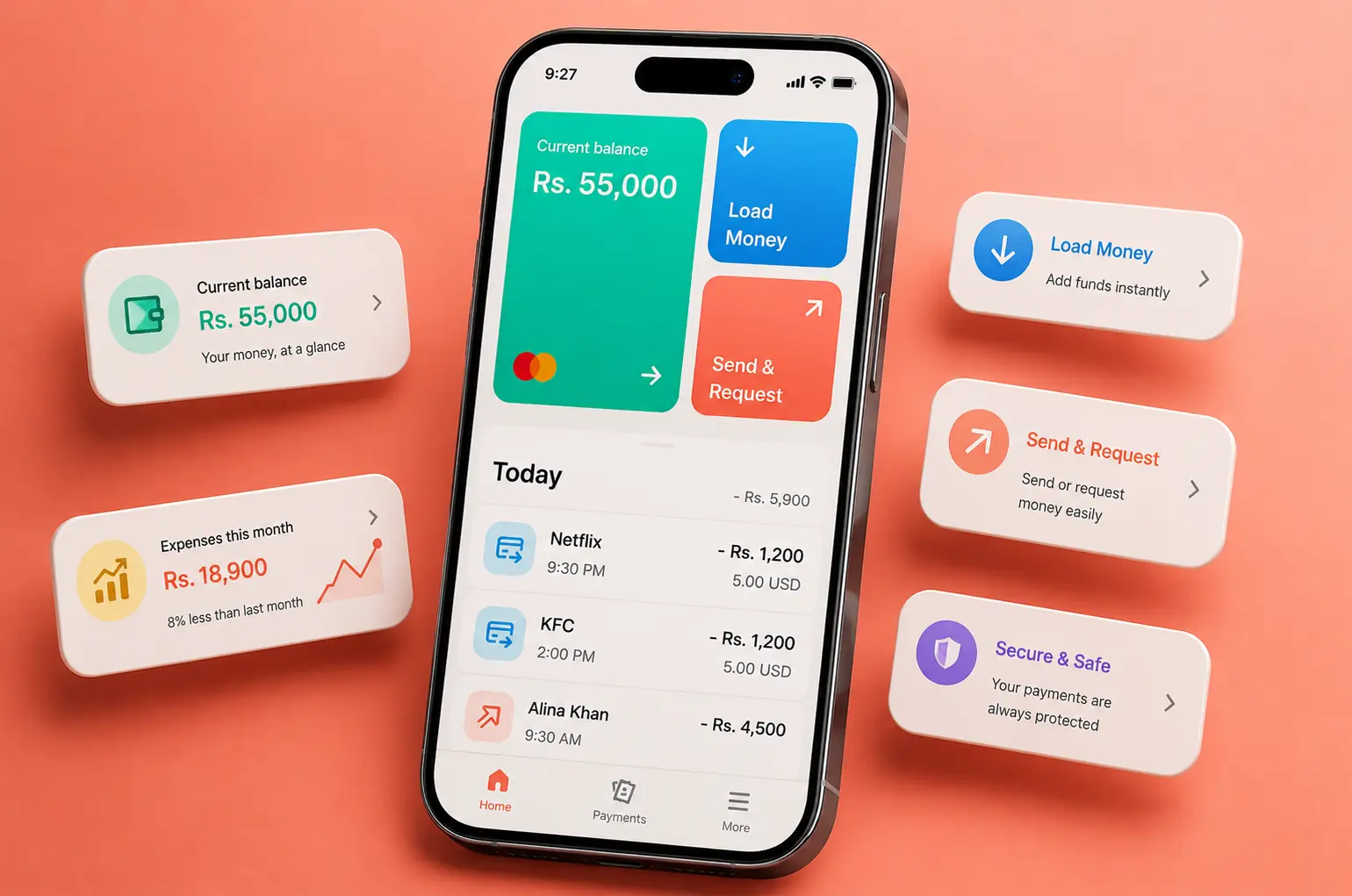
Crypto payments and stablecoin settlement connected to your systems, with compliance reporting hooks.
Enterprise Blockchain Migration
Selected workflows moved to blockchain — and clear advice on which shouldn’t move at all.
Web3 Infrastructure Services
Node access, indexing, data pipelines, and monitoring that keep your product fast after launch.
UI/UX Design
Onboarding, wallet prompts, and transaction states first-time users understand without a tutorial.
Testing & Quality Assurance
Unit, integration, and testnet tests on every build, plus static analysis before external audit.
Maintenance & Support
3 to 6 months of free post-launch support covering monitoring, bug fixes, and updates.
M TECHUB LLC at a Glance
200+ designers and developers across offices in Virginia, London, Dubai, and Islamabad.
What Is Web3 App Development?
Software built on decentralized networks, where data and logic live on a blockchain instead of a single company’s servers.
Users own assets and identity
Users hold their own assets and identity through a wallet, and smart contracts execute agreed rules automatically.
Rules anyone can verify
A regular app asks users to trust the company. A Web3 app lets them verify the rules — vital for finance and digital ownership.
The trade-offs
Transactions carry fees, mistakes can be permanent, and the user experience is harder to get right.
Start your Web3 journey with us today!
Who We Build For
Crypto and Web3 Founders
A lean first release, a planned audit, and no features that add attack surface without adding users.
Fintech Businesses
Crypto payments, stablecoin settlement, or wallet features that fit inside a regulated business.
Enterprise Organizations
A feasibility review, a narrow prototype, and expansion only if it earns its place.
Security and Audit Process
In Web3, a bug can mean permanent loss of user funds. Security isn’t a final step — it’s the way we build.
Secure by Design
- Established contract patterns, minimal custom logic
- Audited libraries wherever possible
- Multi-signature controls and time locks
Testing Before Audit
- Automated tests and static analysis
- Testnet deployments
- Most issues caught before external review
Independent Audit Readiness
- Documentation and test coverage for auditors
- Independent audit recommended for contracts holding funds
- Audit budget planned early
Key Management & Wallet Safety
- Key storage, signing, and recovery designed around real users
- Focus on the most common cause of loss: compromised keys
Post-Launch Monitoring
- On-chain monitoring and alerting
- A response plan included in handover
No team can promise zero vulnerabilities.
What we can promise is a process designed to find and reduce them before your users are exposed.
Choosing the Right Blockchain
Chain selection shapes cost, speed, and reach. We recommend based on your product, not our preferences.
The right answer is often a combination, such as contracts on an EVM network with a cross-chain layer later. We’ll walk through the trade-offs in discovery.
Web3 Infrastructure for Developers
There isn’t one best Web3 infrastructure — but these are the layers to plan for. We choose based on your scale, budget, and control needs, and design so you can switch providers later.
Node Access
Managed RPC providers for reliability, or self-hosted nodes for control.
Indexing and Data
Indexers and subgraphs so your app can query on-chain data quickly.
Storage
IPFS or Arweave for NFT metadata and files.
Wallet Connection
Standards such as WalletConnect.
Development Tooling
Hardhat, Foundry, and testing frameworks.
Monitoring
Alerts for contract events, failed transactions, and unusual activity.
Web2 vs Web3: Which Do You Need?
When you probably don’t need a blockchain: if your users trust you, one company controls the data, and nobody needs to verify your rules independently, a conventional database is faster, cheaper, and easier to maintain. We’d rather tell you that on the first call.
Real success stories from our Web3 app development services
Our track record speaks volumes, partnering with emerging startups and established businesses to craft beautiful, resilient Progressive Web App apps that deliver sustainable revenue and meaningful customer engagement.
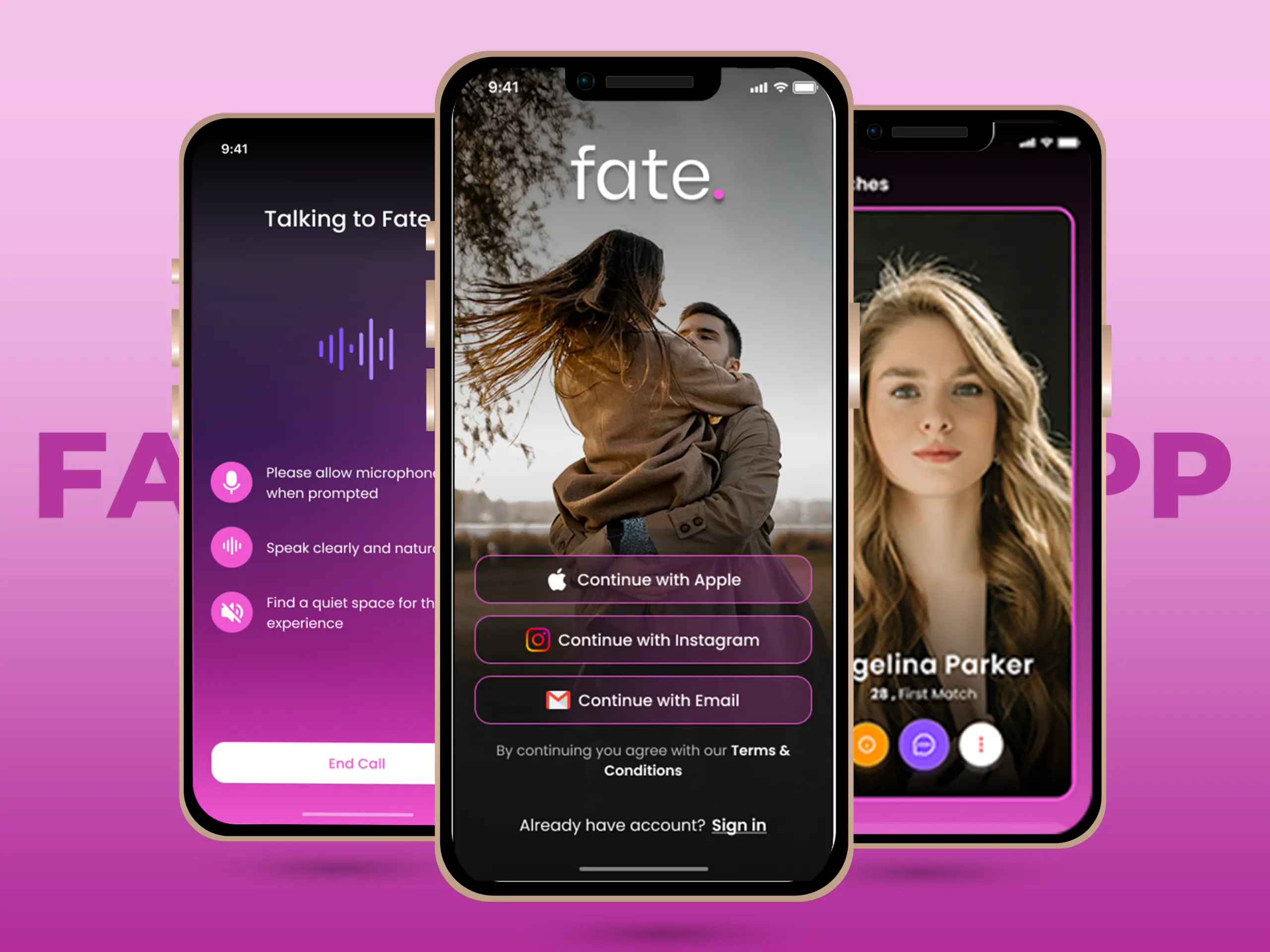
Fate: Agentic AI-Powered Dating App
M TECHUB LLC developed Fate, the world’s first agentic AI dating app featured in The Guardian, with voice-first matchmaking, blind Fate Calls, and AI conversation coaching—achieving 50,000+ downloads within 60 days.
Gate.com: Global Cryptocurrency Exchange
M TECHUB LLC built the Gate.com mobile app serving 53 million+ users across 200+ countries, supporting 4,700+ cryptocurrencies with real-time WebSocket trading, AI bots, and Web3 wallet integration.
Savage Mushroom Fitness: World’s First AI Fitness App
M TECHUB LLC developed Savage Mushroom Fitness with deterministic AI calorie engineering, adaptive meal plans, and a 67-point onboarding system—achieving 10,000+ waitlist signups in 3 weeks.
Common Web3 Project Scenarios
Representative examples of the problems we solve, not individual client case studies.
NFT Marketplace for a Creator Platform
Challenge: Sell digital work and earn resale royalties without a complex, high-fee experience.
Approach: ERC-721/1155 contracts with royalties, wallet login, IPFS metadata, and a lean interface on a lower-cost network.
Goal: A working marketplace and a clear view of demand.
Crypto Payments for a Fintech Business
Challenge: Accept stablecoins and offer wallet features without rebuilding the platform.
Approach: Wallet integration, a payment gateway, monitoring and reporting hooks.
Goal: Crypto payments inside a compliant, familiar workflow.
Blockchain Pilot for an Enterprise Team
Challenge: Partners need a shared shipment record no single partner controls.
Approach: A focused pilot on one workflow with a clear success measure.
Goal: Evidence on whether a wider rollout makes sense.
What our clients say about us
Every app we build carries a client story behind it. From smooth design to reliable performance, our clients value the way we turn their Web3 app ideas into powerful mobile solutions that feel effortless to use.
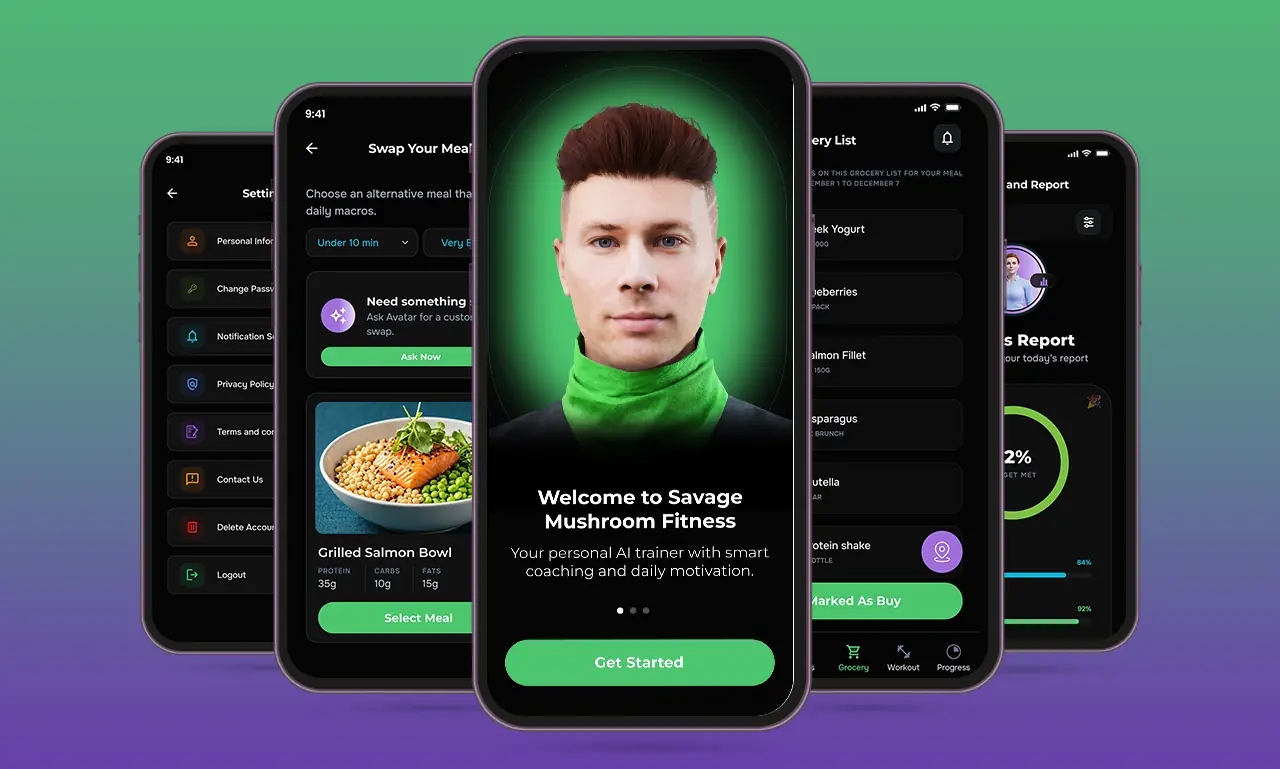
“M TECHUB LLC delivered the world’s first AI fitness app with incredible precision and technical depth. Their team navigated App Store approvals, built a deterministic AI engine, and launched across web and mobile seamlessly.”
- Troy Constantine
- Founder at AIVATAR PTY LTD
600+
Satisfied Clients
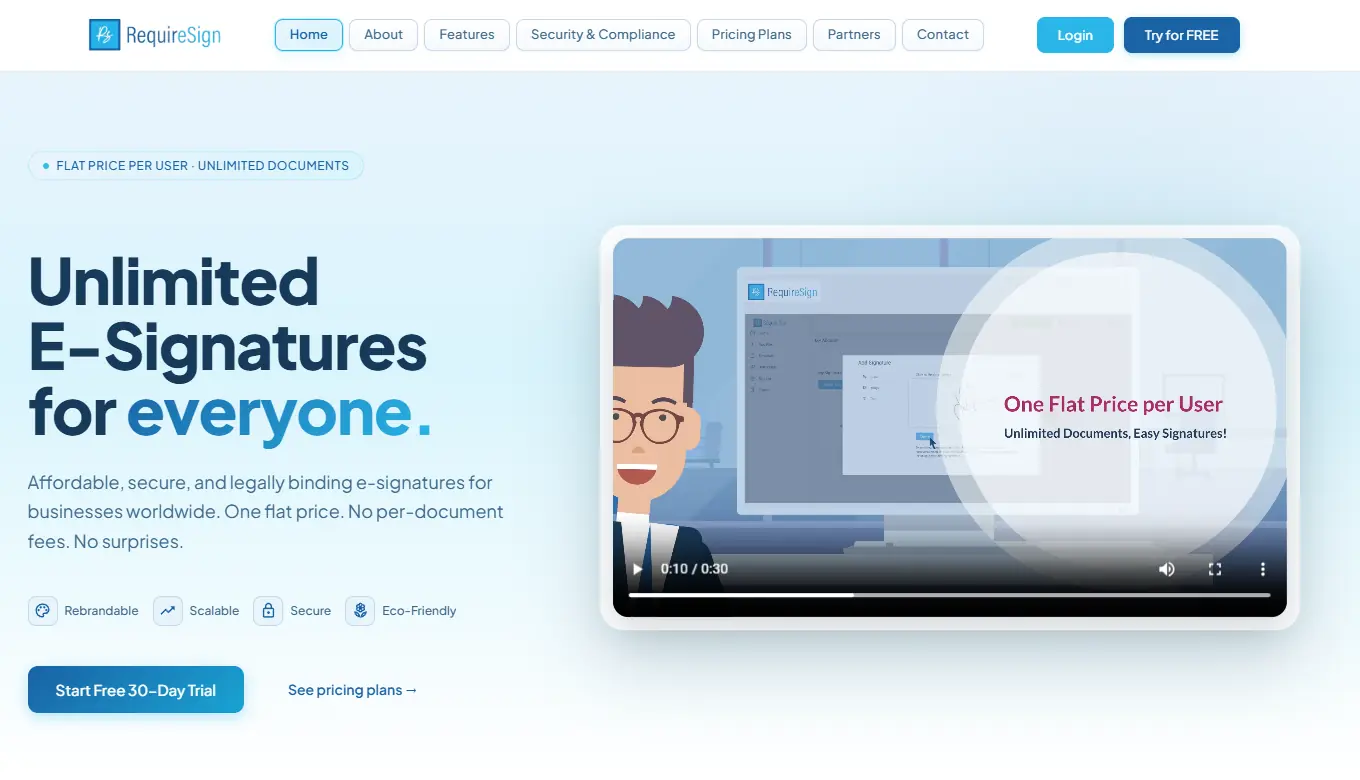
M TECHUB LLC delivered the world’s first AI fitness app with incredible precision and technical depth. Their team navigated App Store approvals, built a deterministic AI engine, and launched across web and mobile seamlessly
- Victor
- Founder at RequireSign
600+
Satisfied Clients
Our Structured Web3 Development Approach
Research, prototype (with your approval), development, QA, security review, launch, and post-launch support.
01
Discovery and Feasibility
Goals, users, chain options, and regulatory exposure — and an honest check on whether Web3 is the right fit.
02
Architecture and Design
Contract structure, off-chain components, and user flows, with prototypes you approve before we build.
03
Development
Agile sprints with Solidity or Rust contracts and React/TypeScript front ends using Hardhat, Foundry, and Wagmi.
04
Testing and Security Review
Automated tests, static analysis, testnet deployment, and preparation for independent audit.
05
Deployment and Support
Mainnet deployment, monitoring, team training, and 3 to 6 months of free post-launch support.
Ready to launch? — Start Your Project
From first wireframe to final release — let’s build a Web3 app development your users will love.
Web3 Solutions Across Industries
Blockchain solutions designed around the trust, ownership, and regulatory needs of each sector.
Fintech and Banking
Stablecoin payments, wallet features, and settlement tools.
DeFi
Lending, staking, and exchange protocols.
Retail and E-Commerce
Loyalty tokens, digital collectibles, and crypto checkout.
Gaming and Entertainment
In-game asset ownership and NFT marketplaces.
Logistics and Supply Chain
Shared, verifiable tracking across multiple parties.
Real Estate
Tokenized ownership and transparent records, subject to local regulation.
Healthtech
Patient-controlled data access, where privacy rules allow.
Education
Verifiable credentials and certificates.
Enterprise
Multi-party workflows where no single company should control the record.
Why Choose M TECHUB LLC for Web3 Development?
M TECHUB LLC pairs engineering depth with plain communication, backed by 700+ delivered products and top-rated profiles on Clutch and DesignRush.
Blockchain-Capable Engineers
Smart contract, front-end, and infrastructure specialists working as one team across four global offices.
Security-First Development
Audit-ready code, multi-signature controls, and conservative contract patterns.
Honest Advice
We recommend Web3 only when it fits. If a conventional database is better, we’ll say so.
Agile Delivery
Short sprints, working demos, and early feedback.
Outcome-Focused Approach
Every feature ties to a business goal, not a feature list.
Clear Support Terms
3 to 6 months of free post-launch support, with extended plans available.
Technologies Powering Our Web3 Applications
A proven stack across smart contracts, front ends, networks, and cloud infrastructure.
Languages
- Solidity
- Rust
- TypeScript
- JavaScript
Frameworks and Libraries
- React
- Hardhat
- Foundry
- Wagmi
Blockchain Networks
- Ethereum
- Solana
- Polygon
Tools and IDEs
- Remix
- VS Code
Cloud and Backend
- AWS
- Azure
- Firebase
How Do Web3 Companies Make Money?
If you’re planning a product, revenue design should start early. Common models include:
Transaction & Protocol Fees
A small percentage of swaps, loans, or trades.
Marketplace Fees & Royalties
Commission on NFT sales and creator royalties on secondary sales.
Subscription & Premium Tiers
Paid access to tools, analytics, or features.
Token Utility
Tokens used for access, governance, or discounts, subject to regulation.
Staking & Yield Services
Fees on managed staking or vault products.
Infrastructure & API Services
Charging developers for access to nodes, data, or tools.
Wallet & Payment Services
Fees on swaps, on-ramps, or merchant payments.
Get legal advice first.
Each model has legal implications, especially when tokens are involved.
How to Start a Web3 Company
A practical path for founders:
1. Define the problem
What can people do with your product that they couldn’t before — and why does it need a blockchain?
2. Choose your users and chain
Match the network to your audience and budget.
3. Get legal advice early
Token design, KYC/AML duties, and licensing depend on your jurisdiction and product.
4. Build a narrow MVP
Ship the smallest version that tests the core idea, on a testnet first.
5. Budget for an audit
Don’t hold user funds before an independent review.
6. Launch and learn
Watch real user behavior and refine before adding features.
We help with steps 2, 4, 5, and 6
And we can work alongside your legal advisers on the rest.
How Much Does Web3 App Development Cost?
Costs vary widely — a simple token contract and a full decentralized exchange are very different projects. These factors move the budget most:
Contract Complexity
A basic token is quick; lending, trading, and cross-chain logic take far longer.
Chain Selection
Each network has its own tooling and constraints.
Security Audit Scope
Audits are a separate cost that grows with code size and risk.
Front End & Design Depth
Custom interfaces cost more than standard components.
Integrations
Payment gateways, KYC providers, oracles, and enterprise systems.
Compliance Needs
Regulated products need extra work on reporting and controls.
Post-Launch Needs
Monitoring, upgrades, and support.
No surprises later
After discovery, we send a written estimate with scope, timeline, and a recommended audit budget.
Ready to Build Your Web3 Product?
Tell us what you’re building. We’ll give you an honest recommendation on fit, chain, and how to launch it safely.
Frequently asked questions
Still looking for answers?
If so, feel free to contact us. Our team is always ready to help and make sure you have everything you need to move forward smoothly and confidently.
Frequently asked questions
Still looking for answers?
If so, feel free to contact us. Our team is always ready to help and make sure you have everything you need to move forward smoothly and confidently.
What are Web3 app development services?
They cover the design and build of applications that run on blockchains: smart contracts, dApps, wallets, marketplaces, exchanges, and the infrastructure around them.
How much does Web3 app development cost?
It depends on contract complexity, chain, audit scope, design, and integrations. A simple token is much cheaper than a decentralized exchange. We provide a detailed estimate after discovery.
How long does it take to build a Web3 app?
A narrow MVP can often be ready in a matter of weeks, while complex protocols take longer, especially with audits. We give a realistic timeline after scoping.
What is the difference between a dApp and a regular app?
A dApp runs its core logic on a blockchain through smart contracts, and users interact with it through a wallet. A regular app runs on servers controlled by one company.
Do I need my own blockchain?
Usually not. Most projects build on an existing network like Ethereum, Solana, or Polygon, which is cheaper and faster than launching a new chain.
Do you audit smart contracts?
We prepare contracts for audit with testing, static analysis, and documentation, and work alongside independent auditors. For contracts that hold user funds, an independent audit is strongly recommended.
Which blockchains do you build on?
Ethereum and EVM-compatible networks including Polygon, and Solana. We recommend a chain after discovery.
Can you build a crypto wallet?
Yes. We build custodial and non-custodial wallets for web and mobile, with multi-chain support and secure key handling.
Can you help an enterprise migrate to blockchain?
Yes. We start with a feasibility review, run a focused pilot, and expand only where blockchain adds real value.
How do Web3 companies make money?
Common models are protocol fees, marketplace commissions, subscriptions, staking services, infrastructure access, and payment fees. Token-based models need legal review.
Does M TECHUB LLC provide support after launch?
Yes. Every project includes 3 to 6 months of free post-launch support, and ongoing plans are available.
How do I hire M TECHUB LLC for Web3 development?
Reach out via mtechub.com or project@mtechub.com. We schedule a discovery call, send a proposal with scope and cost, then assemble your team and start.
Got an idea for
your project?
We have helped 600+ companies transform their business with top-notch tech solutions.
- project@mtechub.com
- +1 650 567 5089
WhatsApp us

Let's Build Your Next Automation.
Tell us what you’re building. We’ll come back with how we’d design, build, and launch it together.