
Custom API Development Services
Connect, extend, and scale your digital ecosystem with custom APIs. M TECHUB LLC builds secure, well-documented RESTful and GraphQL APIs that power reliable data exchange between your applications and third-party platforms.

Custom API services we offer
API Strategy & Consulting
We audit your existing tech stack, data flows, and integration points to map out exactly where a custom API adds the most value — including authentication strategy (OAuth 2.0, API keys, JWT) and the right choice between REST, GraphQL, or a hybrid approach for how your data is actually consumed.
Custom API Development & Implementation
We design and build APIs from the ground up — RESTful services, GraphQL endpoints, or webhook-based systems — complete with versioning, rate limiting, and full OpenAPI/Swagger documentation from day one, not added as an afterthought once the build is “done.”
Third-Party API Integration Services
We connect your platform to the external services your business already relies on — payment processors (Stripe, PayPal, Adyen), CRMs (Salesforce, HubSpot), communication tools (Twilio, SendGrid), shipping and logistics providers, and industry-specific systems. This includes handling authentication, data mapping, error handling, and retry logic so these integrations don’t fail silently once they’re in production.
API Optimisation & Modernisation
We migrate legacy SOAP services, undocumented internal APIs, and point-to-point integrations onto modern, documented, monitored infrastructure — in phases, so your current operations keep running while we retrofit what’s underneath them.
API Support & Maintenance
We provide ongoing monitoring, uptime tracking, security patching, and version management, so your integrations keep working as the third-party platforms on the other end change their own APIs — which happens more often than most teams expect.
Types of APIs We Develop
REST APIs
Resource-based APIs for standard CRUD operations, the most common choice for web and mobile backends.
GraphQL APIs
Flexible, query-based APIs when different clients need different slices of the same data without over-fetching.
SOAP APIs
For enterprise and legacy systems that still require SOAP-based communication, or migrating away from them.
Webhook-Based / Event-Driven APIs
For real-time notifications and event triggers between systems.
Internal / Private APIs
Connecting your own internal services and microservices securely.
Public / Partner APIs
Exposing select data or functionality to partners, resellers, or third-party developers through a documented, access-controlled interface.
Mobile-Optimized APIs
Lightweight, low-latency endpoints designed for iOS and Android app performance constraints.
Technology Stack
API Styles
REST, GraphQL, SOAP (legacy support), Webhooks
Authentication
OAuth 2.0, JWT, API key management
Languages & Frameworks
Node.js, Python (FastAPI/Django), Java (Spring Boot) — matched to your existing stack
API Gateways & Management
AWS API Gateway, Kong, Azure API Management
Documentation
OpenAPI/Swagger, Postman collections
Infrastructure
Docker, Kubernetes for containerized, scalable deployment
Monitoring
Rate-limit tracking, uptime alerting, structured logging for fast debugging
What makes M TECHUB LLC a leading custom API company?

Superior Technical Expertise
- Documentation-first delivery. Every API ships with OpenAPI specs and Postman collections, so your team is never left reverse-engineering undocumented endpoints.
- Security built into the architecture. Authentication, encryption, and rate limiting are part of the initial design, not a patch applied after something breaks.

Experienced Consultants & Developers
- Built for change. Upstream APIs change their auth methods and rate limits often — we build with monitoring and versioning so those changes don’t take your integration down overnight.
- Transparent process. Sprint reviews and staging access throughout the build, not a black box that reappears at launch.
Related services
- Software Development
- System Integration
- Software Design
- Software Testing
- Software Maintenance & Support
- Custom API Development
- Cloud Software Development
- Web App Development
- Web Development
Our API development process
01
Discovery
We learn your business, current tech stack, and API requirements through technical audits, stakeholder interviews, and in-depth research — flagging security or scalability risks early.
02
Strategise
We define endpoint structure, authentication flow, and a documentation standard, then map a strategic API roadmap built around your timeline, budget, and existing systems.
03
Design & Build
We architect and develop the API in sprints, with staging environments and client review at every milestone.
04
Testing
We run unit tests, integration tests, and load testing on high-traffic endpoints before anything reaches production, checking for both functional correctness and performance under real-world volume.
05
Deployment
We deploy through CI/CD pipelines with staged rollouts, so new API versions go live without breaking existing integrations your systems already depend on.
06
Monitoring & Support
Post-launch, we set up uptime monitoring, structured logging, and alerting, and offer ongoing maintenance so the API keeps performing as upstream platforms and your own traffic evolve.
Industries we serve
Automotive
B2B
Healthcare
Education
Ecommerce
Food
Manufacturing
Fashion
CRM
Logistics
Travel
Legal
Agriculture
Finance
Real Estate
Our success stories
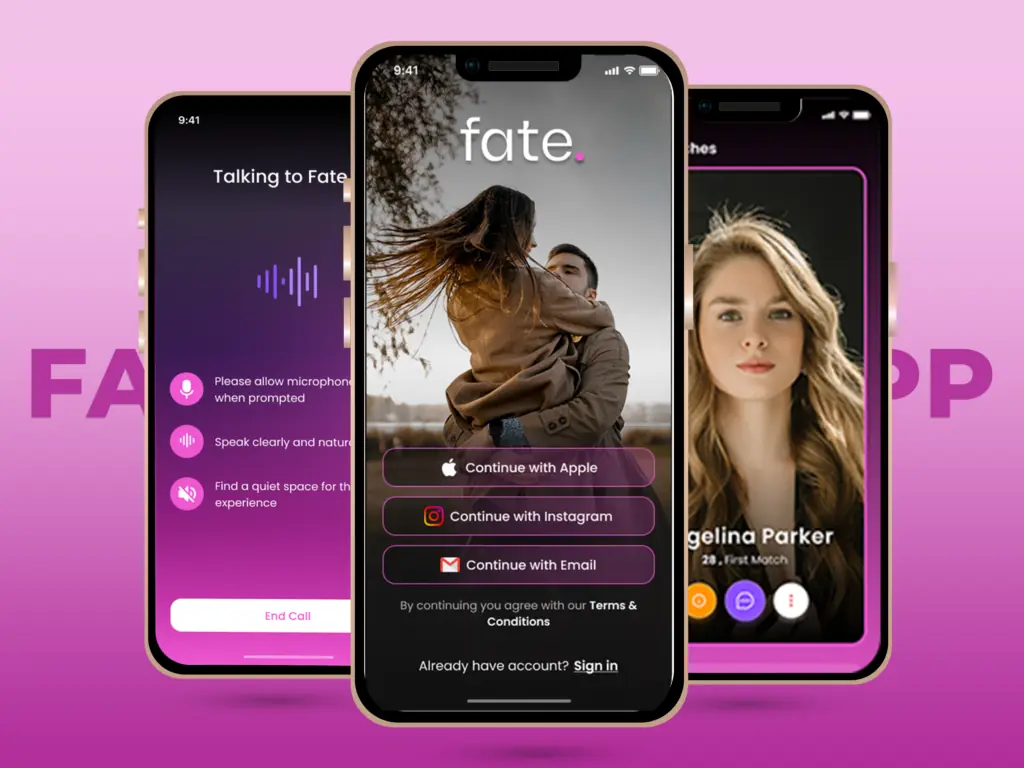
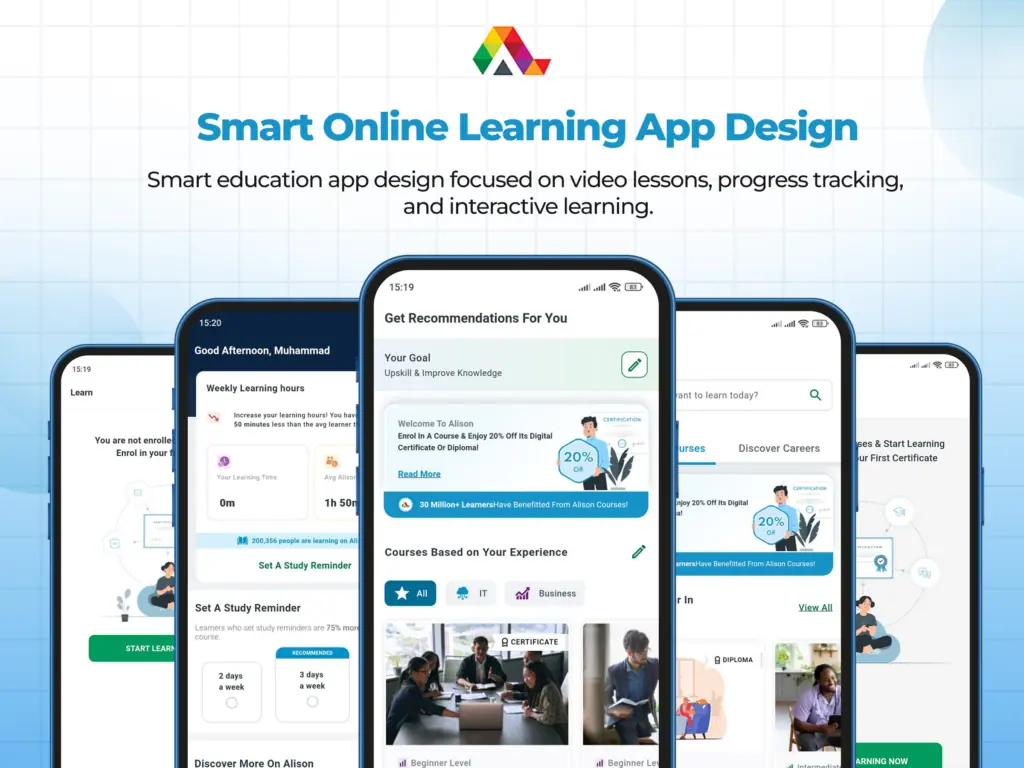
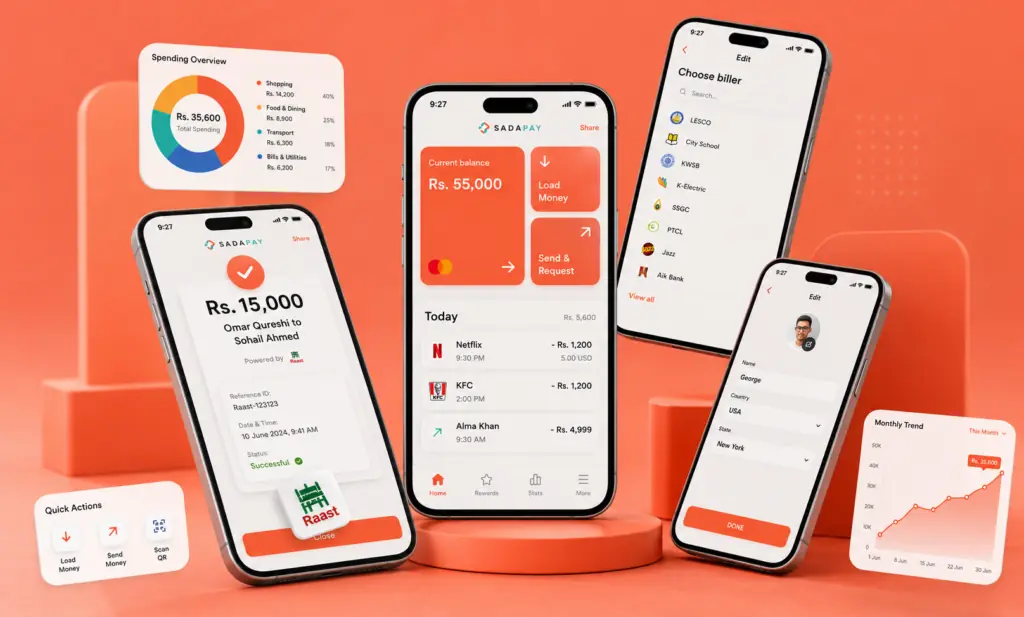
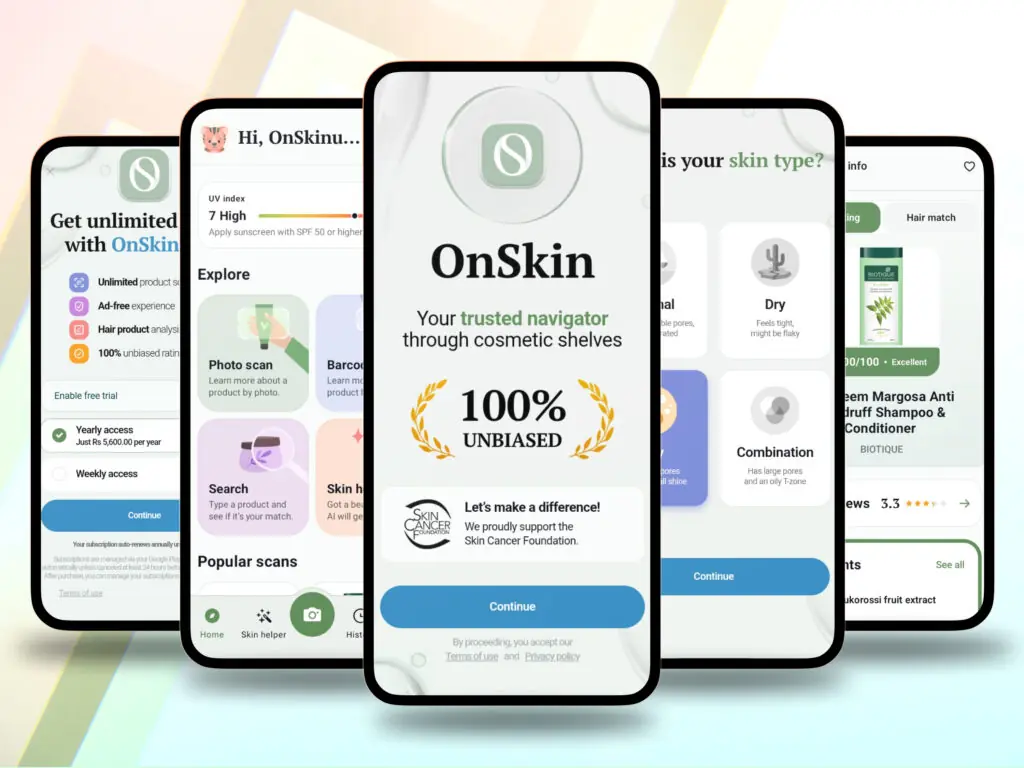
- Your stage, your path
Founders simply love what we ship
Proud to be the technical partner behind startups and industry leaders who trusted us with their vision.
Clutch
DesignRush
GoodFirms
M TECHUB LLC delivered a reliable app with unique features that met our expectations, with high uptime and low crash rates across platforms. The team was responsive, dedicated, and timely throughout.

CEO & Founder of Fate Dating Ltd
Fate
M TECHUB LLC successfully developed the mobile apps and worked effectively with our team from day one. Their project management was tight, and we collaborated closely using Slack and monday.com.

CEO of Sadapay
Sadapay
M TECHUB LLC delivered a fully functional, stable app on time and within budget, with a level of professionalism and technical expertise that stood out. They also helped us improve internal processes and automate key operations.

Project Manager of Jet-hunter
Jet-hunter
- Insight
Our blogs
Frequently asked questions
How long does custom API development take?
A single third-party integration typically takes 2–4 weeks. A full custom API layer with multiple endpoints, authentication, and documentation usually runs 6–12 weeks, depending on complexity and how many systems it needs to connect to.
What’s the difference between REST and GraphQL, and which do I need?
REST works well for standard resource-based data like users, orders, or products. GraphQL is better when different clients need different slices of the same data and you want to avoid over-fetching. We recommend the right fit after reviewing your actual use cases, not by default.
Can you integrate with our existing legacy systems?
Yes. Most of our enterprise work involves building an API layer on top of, or migrating away from, older systems — SOAP services, on-premise databases, or custom internal tools — without disrupting current operations.
Do you provide documentation after the project ends?
Every API we deliver includes full OpenAPI/Swagger documentation, Postman collections, and a handover so your internal team can maintain or extend it independently, or so we can continue supporting it under a maintenance agreement.
How do you handle API security and compliance?
Authentication (OAuth 2.0/JWT), rate limiting, input validation, and encryption are built into the architecture from day one, along with monitoring to catch unusual traffic patterns early. For regulated industries, we design around the relevant standard — PCI-DSS for payments, HL7/FHIR for healthcare data.
What does custom API development cost?
Pricing depends on scope — a single integration is priced differently from a full API layer with ongoing support. We provide a fixed-scope estimate after the discovery audit, so you know the cost before development starts.
Do you offer ongoing support after launch, or just the initial build?
Both. You can engage us for a one-time build with handover, or an ongoing support and maintenance agreement that covers monitoring, security patching, and updates as upstream APIs change.
How do you test an API before it goes live?
Every API goes through unit testing, integration testing, and load testing against realistic traffic volumes before deployment, so functional bugs and performance bottlenecks are caught before your users hit them.
Can you build APIs that support both our mobile app and web platform?
Yes. We design APIs to serve multiple client types from a single backend — typically REST or GraphQL — with mobile-specific considerations like payload size and latency factored into the design from the start.
What if a third-party API we depend on changes or goes down?
We build in error handling, retry logic, and monitoring so a third-party outage or breaking change is caught and alerted on quickly, rather than failing silently in your production environment.
WhatsApp us

Let's Build Your Next Automation.
Tell us what you’re building. We’ll come back with how we’d design, build, and launch it together.