01
Service case investigation
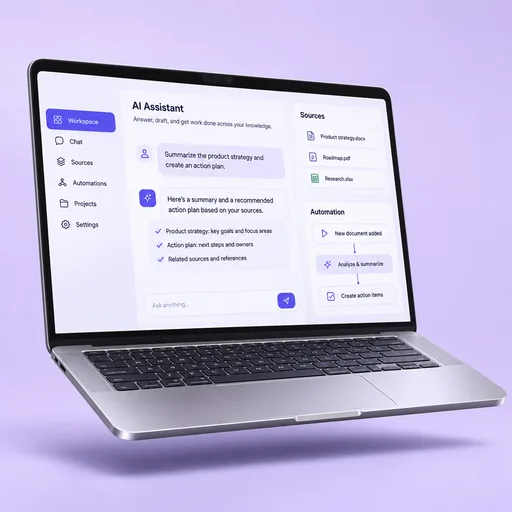
Gather permitted account history, check open incidents, and prepare a case summary. Staff take over when records conflict or the case requires a resolution decision.

M TECHUB LLC designs, builds, and deploys AI agents for defined tasks in your existing software. An agent can investigate a support case, compare an incoming invoice with a purchase order, or collect missing details before assigning a request. We connect the tools it needs, build the rules that govern its actions, and test the outcome in the systems your team uses.






Agents for defined tasks in your existing software — with clear completion criteria and human takeover points.
Share one task you want an agent to handle, the software it needs to use, and an example of a case staff should still review. We’ll discuss what the first build needs to connect, what it should be allowed to do, and how your team can verify that it works.
Pick the capabilities your product needs — we wire them in when the business case is clear.
A model interprets; the app enforces the rules. It can name a supplier’s question, then the app checks the reference, limits lookup to authorized records, and decides if it can proceed.
For current policies or product docs, we connect approved sources and return passages with references. We test the right document, and outdated, incomplete, or conflicting sources.
Agents find a case, check an order, or create a draft. Each tool has inputs, permissions, and a result: how a write confirms success, and how an uncertain timeout is handled.
The app tracks finished checks, open questions, and pending actions. A reviewer sees the record, proposed values, and evidence. A change during approval sends it back for review.
Whether the agent completes eligible tasks correctly and escalates cases that need staff input.
See how thoughtful design, modern engineering, and applied AI solve real business challenges.
Languages, platforms, and cloud tools we use to design, evaluate, and ship AI products.
 Python
 TypeScript
 JavaScript
 Node.js
 React
 Next.js
 Docker
 Kubernetes
 AWS
 Azure
 Google Cloud
 Firebase
 MongoDB
 PostgreSQL
 GraphQL
 RESTful APIs
 CI/CD
 GitHub Actions
We define what information can reach the model and enforce permissions when the application retrieves a record or executes an action. Tool permissions, business rules, and approval checks are built into the workflow.
Limit each connection to the records and operations required for the task.
Check the requested tool, target record, and input values before calling a business system.
Record the proposed action, review decision, and confirmed outcome where required.
Agree on which fields to exclude or redact and what information belongs in logs.
Test documents, emails, or tickets that contain instructions attempting to change the agent’s behavior or bypass its rules.
We set pilot targets with your team using representative cases and your current process as a baseline. For a document review agent, that can mean scoring invoice totals and supplier IDs separately because mistakes in those fields have different consequences.
An agent can start with read-only access so staff can test its recommendations before the application enables approved updates.
We test the full task, from the initial request to the result in the connected system.
We match LLM capabilities and cloud infrastructure to the use case; our stack reduces risk, supports growth, and builds lasting systems.
 ChatGPT
 Llama
 Gemini
 ClaudeDALL·E
 github
 ruby on railsnode.jsreact
 next.js
 ios
 redis
 android
 figma
 sentryaws
 linearkubernetes
 aws s3
 notion
 digitalocean
 wordpressdocker
AI agent development services cover task design, model integration, tool development, testing, and deployment. We define what starts the task, what the agent can read or change, and what counts as a completed result. The project can also include an approval interface, operational monitoring, and documentation for the team that will maintain the agent.
Scope the Agent and Its Supporting Software Together. A useful agent may need an API, a review screen, or a connection to an existing queue. We scope those components with the agent so your team can evaluate the complete task before committing to rollout. Make the Agent’s Work Reviewable. We define what evidence staff should see when an agent proposes an action or escalates a case. That can include source references, completed checks, and the reason the workflow stopped. Give Your Team a Basis for Future Changes. Handover can include tool definitions, permission rules, and evaluation cases. When a model, prompt, or connected API changes, your team can rerun the relevant tests before releasing the update.
Yes. A first release can gather information and prepare summaries or recommendations without updating live records. Your team can review its output before adding specific write operations with their own permissions and acceptance tests.
Yes, where your team can share the relevant configuration, test cases, and representative runs. We trace where the agent selects the wrong tool, uses incomplete information, or leaves an action unresolved. We then scope and test changes against those cases.
It depends on the task. One agent can be enough when it has a consistent set of responsibilities and tools. Your existing search service may also be sufficient. We evaluate additional agents or retrieval infrastructure when separate permissions, independent checks, or search quality justify the added work.
The agent can ask for clarification, report which checks completed, or send the case to an agreed queue. If it attempted a record update and the outcome is uncertain, the workflow can flag the case for verification before another write is attempted.
The estimate depends on the task, the number of connected tools, data readiness, approval requirements, and the testing needed before release. We scope the first workflow and estimate recurring expenses such as model usage, hosting, monitoring, and support separately.

Share the use case, the systems involved, and any constraints. Our team will review it and suggest a next step.