

01
Capacity Planning for Peak Demand
We review when traffic rises and which services carry the load. For an ecommerce promotion, that means identifying where extra capacity will help and what response times checkout needs to maintain.

Cloud strategy consulting is the work of deciding where your applications should run, what needs to change, and how to operate the environment after launch. M TECHUB LLC helps engineering and business teams plan cloud adoption, migration, and modernization. You get a target architecture, a sequenced roadmap, and cost and recovery assumptions you can review before committing to implementation.






Tell us where your applications run today, which systems need to stay available, and what you want to improve. We’ll help you choose between a readiness assessment, a migration roadmap, and a modernization plan.

We review when traffic rises and which services carry the load. For an ecommerce promotion, that means identifying where extra capacity will help and what response times checkout needs to maintain.
See what drives spending across compute, storage, and data transfer. Cost estimates show the usage assumptions behind each change so engineering and finance can agree on what to investigate first.
Set how quickly a critical workload needs to recover and how much data loss the business can tolerate. Those targets guide backup, restoration, and disaster recovery planning.
Know who approves production changes, receives alerts, and handles incidents. The handover ties those responsibilities to the platforms and services each team will operate.
Compare AWS, Microsoft Azure, and Google Cloud against your existing licenses, identity systems, and application requirements. If some workloads must stay on-premises or span providers, the plan accounts for those hybrid cloud or multi-cloud dependencies.
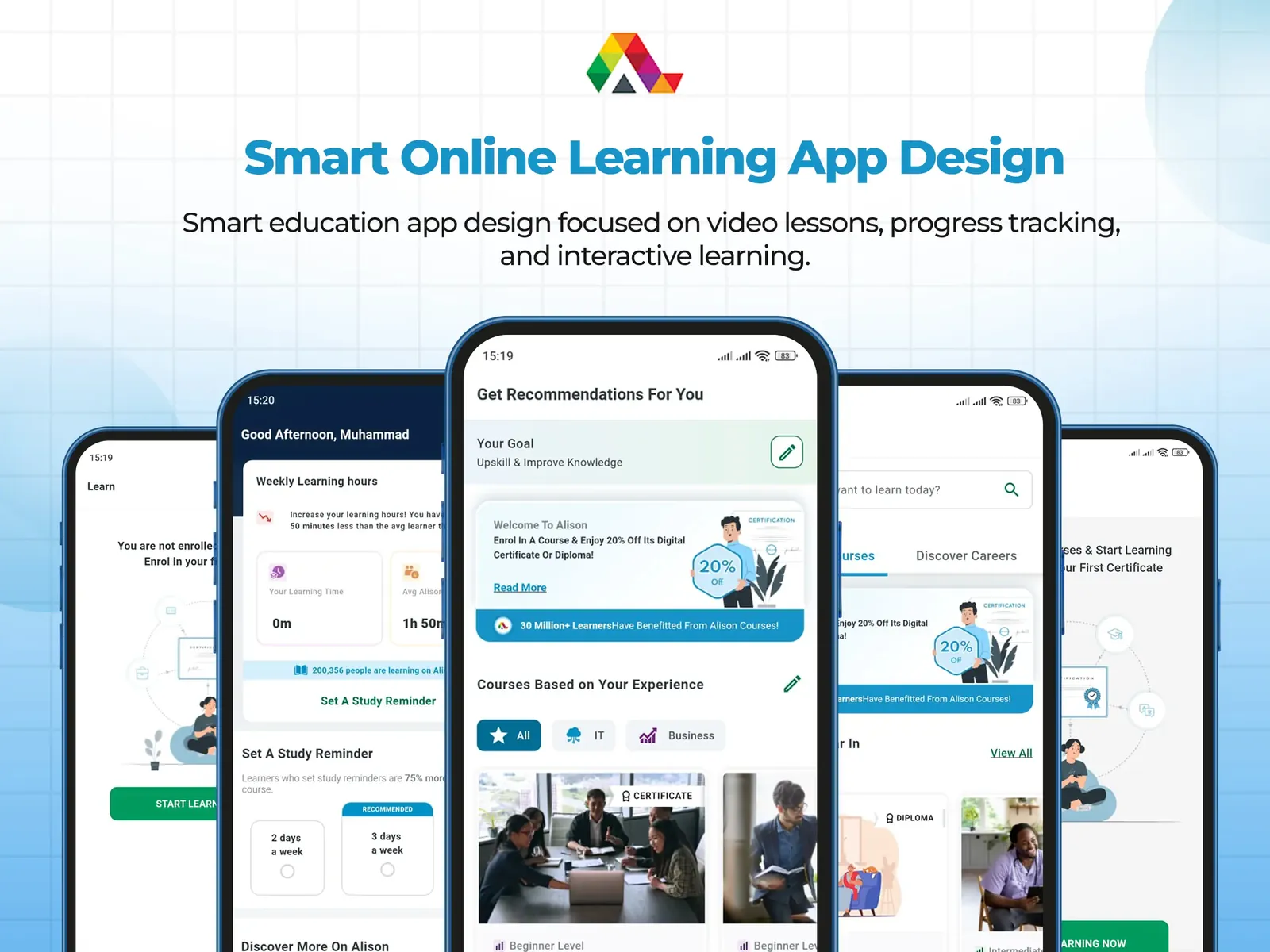
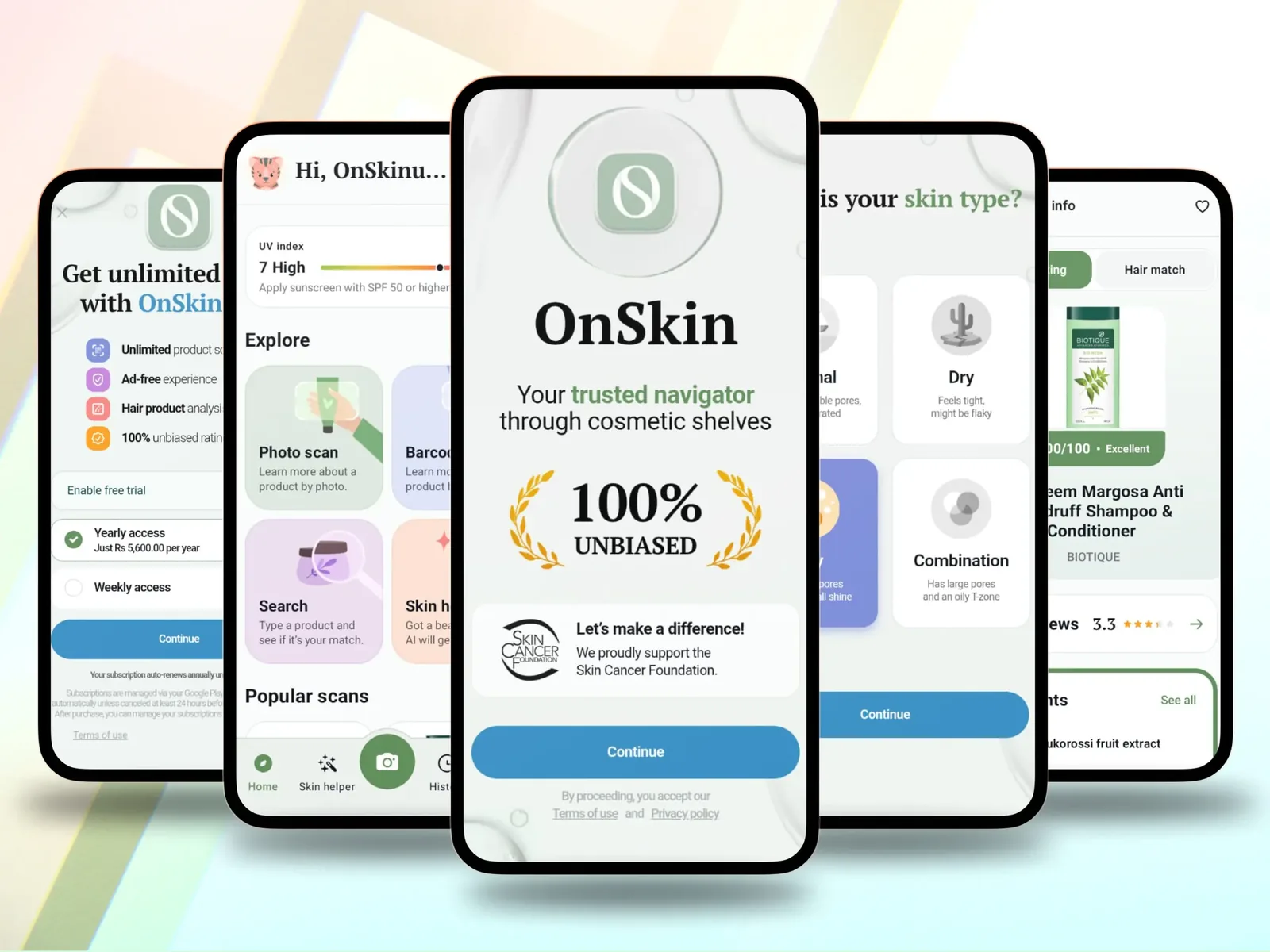
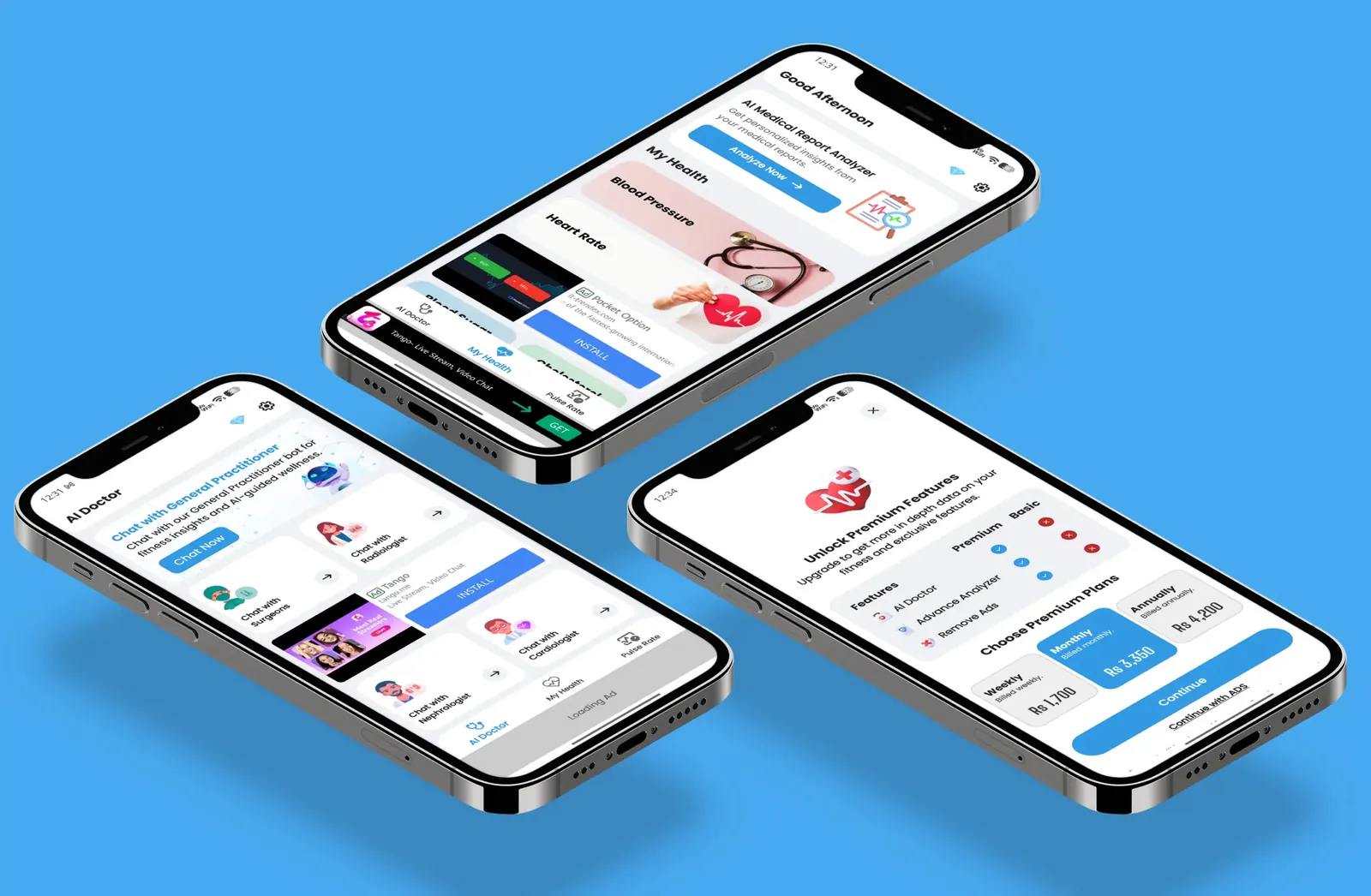
Explore selected products from M TECHUB LLC across mobility, education, consumer apps, travel, and healthcare.
Your cloud strategy accounts for the platforms, delivery tools, and application stack your engineers will use to build, deploy, and operate workloads.
 AWS
 Microsoft Azure
 Google Cloud
 Docker
 Kubernetes
 CI/CD
 GitHub Actions
 Jenkins
 Azure DevOps
 AWS CodePipeline
 Node.js
 Python
 TypeScript
 PostgreSQL
 MongoDB
 RESTful APIs
Ongoing cloud advisory and support focus on the changes production data shows you need, from unexpected infrastructure costs to recurring release failures.
Review recurring incidents and prioritize maintenance for the environments in your support plan.
Use production metrics to find bottlenecks and confirm whether critical workloads can recover within their targets.
Review spending by workload, resize resources where usage supports a change, and retire infrastructure that’s no longer needed.
Adjust capacity and architecture when traffic, data volumes, or integration requirements change.
Review access permissions, prioritize security patches, and address configuration changes that fall outside the approved baseline.
Investigate recurring deployment failures and refine pipeline checks, release automation, and monitoring.
We match LLM capabilities and cloud infrastructure to the use case; our stack reduces risk, supports growth, and builds lasting systems.
 OpenAI
 Claude
 Gemini
 github
 ruby on railsnode.js
 react
 next.js
 ios
 redis
 android
 figma
 sentryaws
 linearkubernetes
 aws s3
 notion
 digitalocean
 wordpressdocker
A cloud strategy consultant helps you decide where applications should run, which changes to prioritize, and who will operate the environment. The engagement typically delivers a workload assessment, a target architecture, and an implementation roadmap that records dependencies, cost assumptions, and decisions that need stakeholder approval.
Cloud strategy consulting is priced by workload count, dependency complexity, and the depth of analysis you need. A fixed-scope assessment covers a defined question. A roadmap project adds architecture and delivery planning, while ongoing advisory is priced around review frequency and the support needed between reviews.
A focused readiness assessment usually takes less time than a migration roadmap or modernization plan. The schedule reflects the number of applications, the availability of current architecture and billing records, and how many teams need to review decisions about downtime, cost, or changes to the design.
M TECHUB LLC compares AWS, Microsoft Azure, and Google Cloud against workload requirements, existing licenses, identity systems, regional needs, and the skills of the team that will operate the environment. When workloads must stay on-premises or span providers, we also assess hybrid cloud and multi-cloud designs.
Cloud strategy defines the target environment, priorities, and operating responsibilities. Cloud migration moves applications and data into that environment. Cloud optimization improves the cost, performance, or reliability of workloads already running. You can start with the decision or delivery work your team needs most.
Yes. M TECHUB LLC reviews cloud spending, attributes costs to workloads where billing data allows, and prioritizes changes to compute, storage, or data transfer. A FinOps engagement can also set up recurring forecasts and spending reviews so engineering and finance can track the effect of approved changes.
Yes. M TECHUB LLC maps the databases, identity services, and integrations your on-premises applications rely on. The roadmap shows which workloads need to move together, what to prepare before each move, when downtime is acceptable, and how to confirm the transferred data is ready for use.
Yes. M TECHUB LLC helps teams address rising costs, recurring incidents, and infrastructure that no longer fits the workload. We use available billing, usage, and architecture records to prioritize changes. The plan also identifies how to measure the effect on cost, performance, or reliability before scaling the change.

Share the platform, migration need, or reliability gap.