01
Staff move the same records between spreadsheets and applications.
A shared workflow with defined ownership, validation, and status tracking.

M TECHUB LLC builds custom software for businesses that need to launch a product, replace a manual process, or extend an application they already use. We design and develop web applications, mobile apps, internal tools, and SaaS products around your users, business rules, and existing systems.





Custom development is worth evaluating when an important workflow or customer experience cannot be supported economically with your current tools. We compare the requirements, delivery effort, and ongoing maintenance before recommending a build.
Pick the service that matches your product or problem. Each page covers how we plan, build, and support that kind of work.
Tell us what you want to build or improve, who will use it, and which systems it needs to connect to. If you have a target launch date, budget range, or existing specification, share it so we can discuss a practical first release.
Pick the capabilities your product needs — we wire them in when the business case is clear.
We build internal applications for teams on spreadsheets, email approvals, or disconnected records. Rules first, then routing by department and spend limit, and which requests need action.
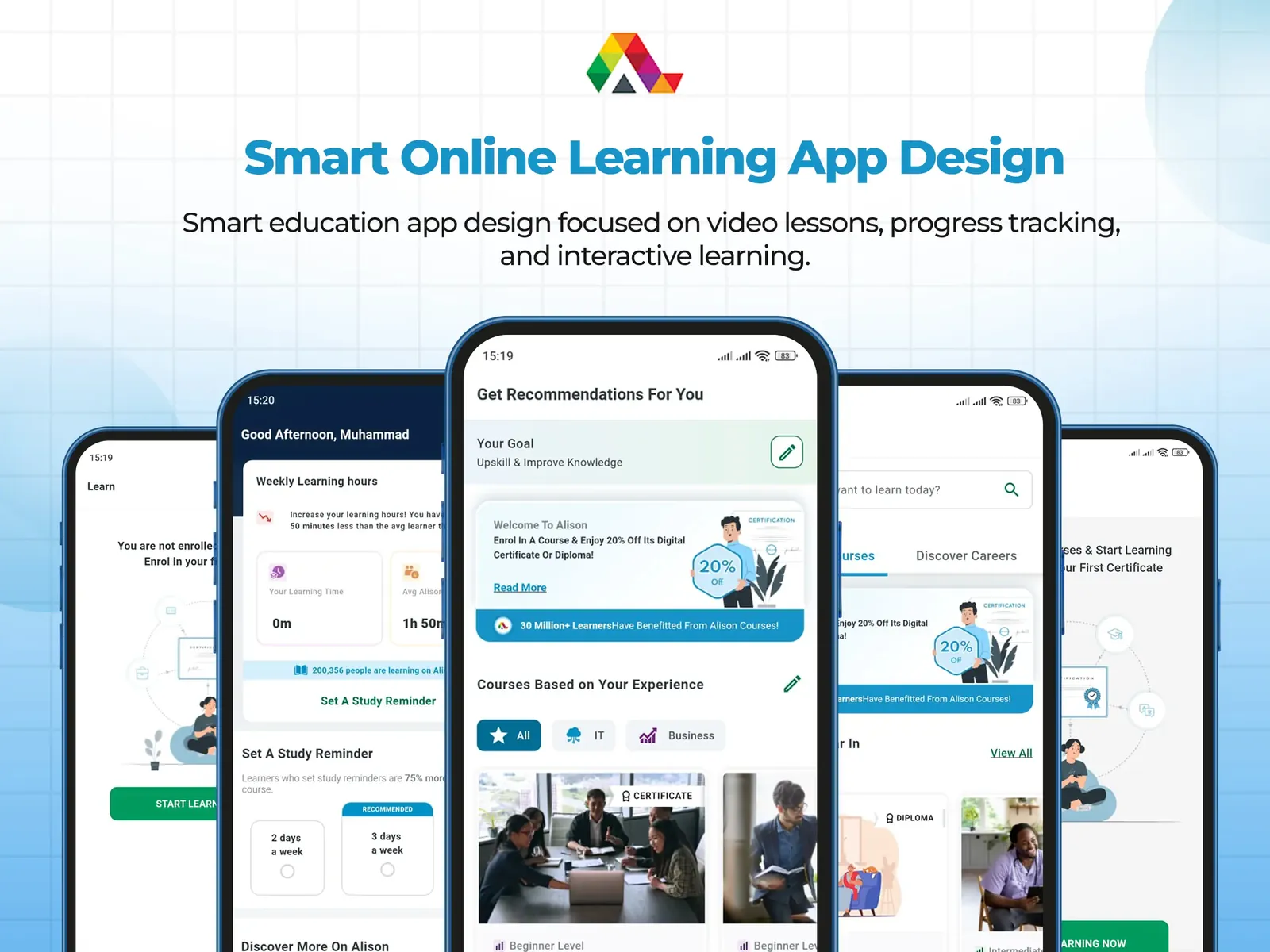
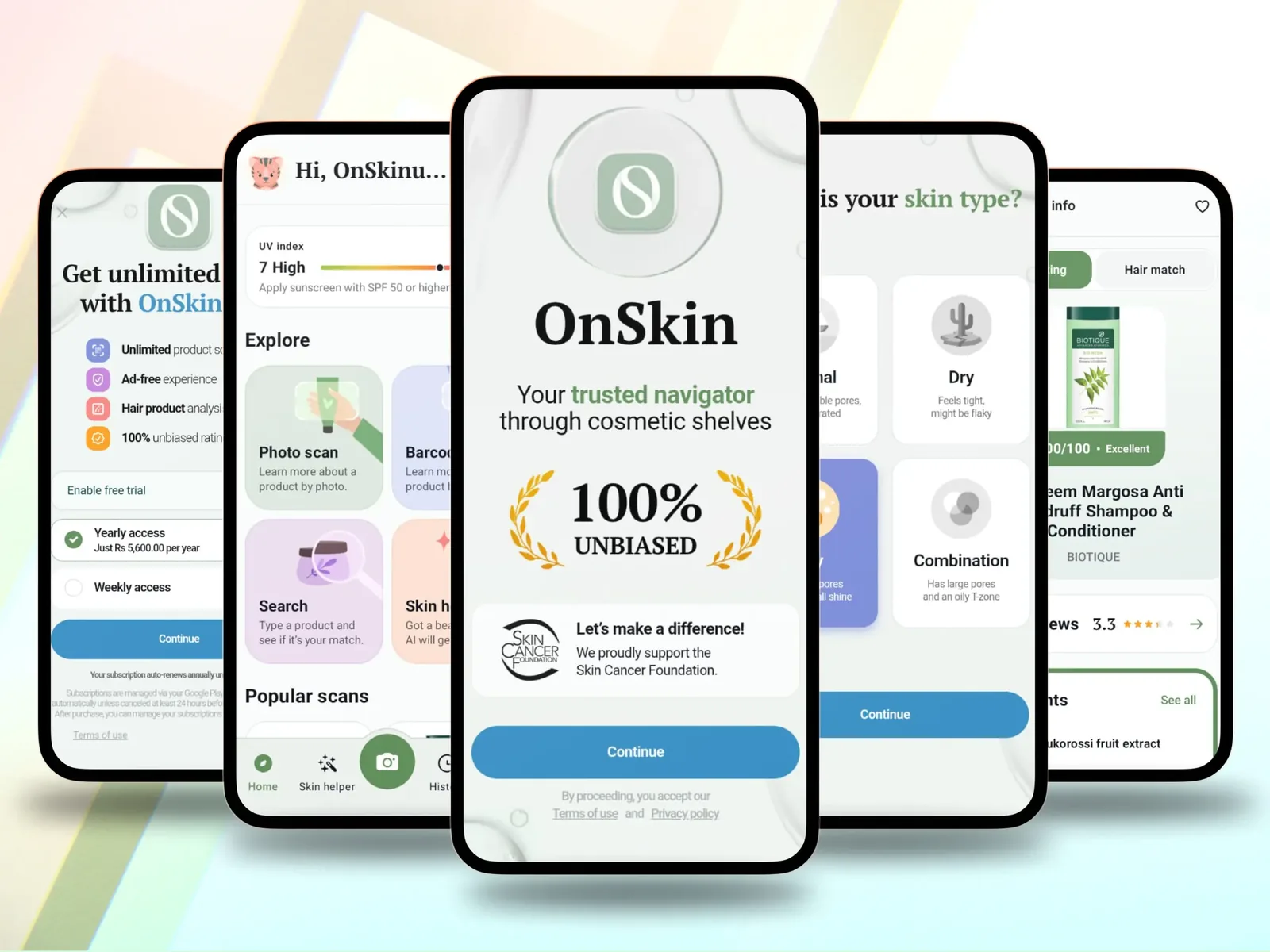
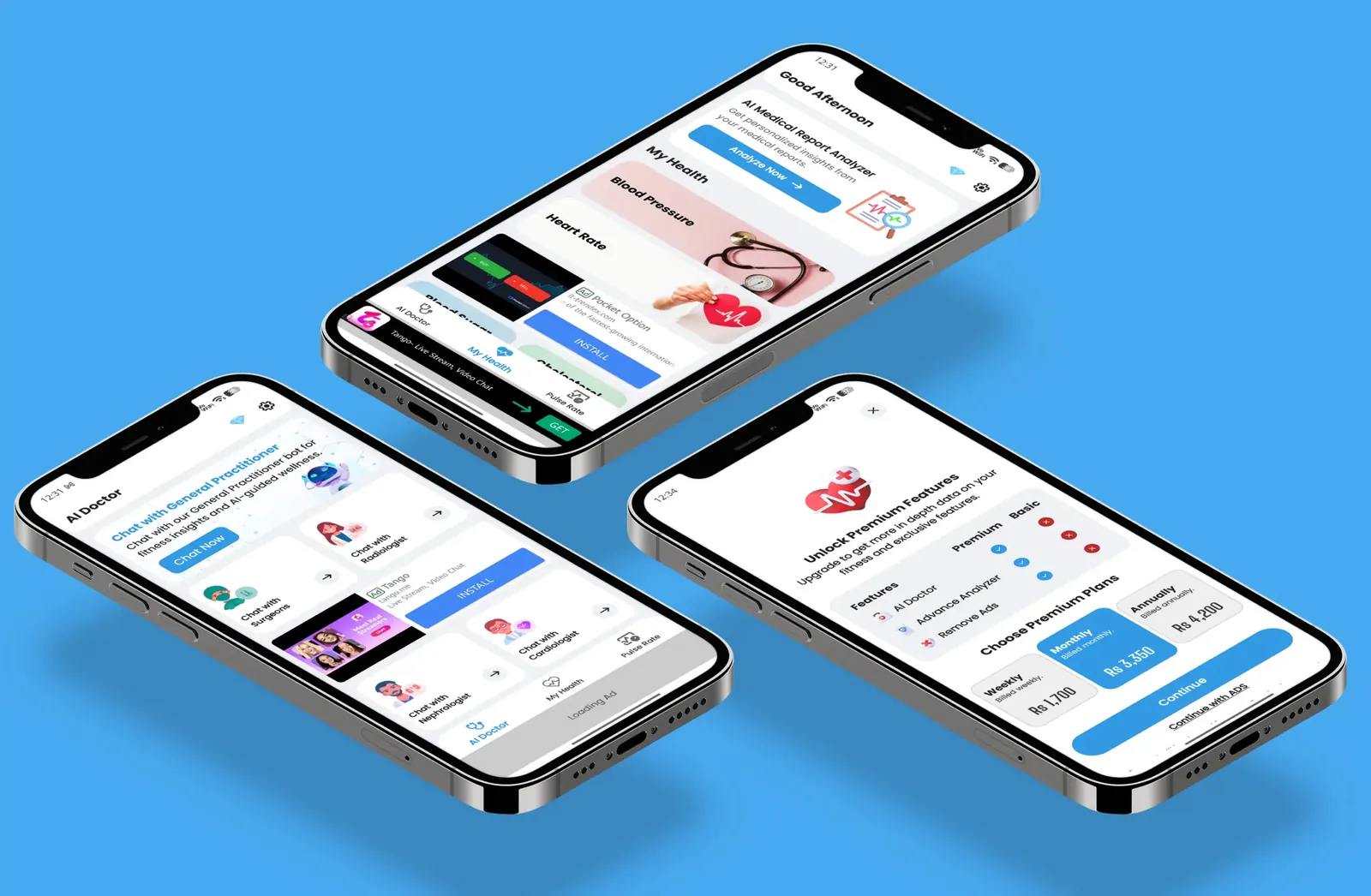
A defined need becomes a working release: requirements, design, application development, and early-user testing. SaaS also covers accounts, subscription access, and admin.
Browser-based portals, booking platforms, and operations dashboards. We define each role’s tasks, what that role can see, and how the app connects to the records behind it.
iOS and Android apps for customers and internal teams. Choice follows device features, offline access, performance, and maintenance. We agree the devices and journeys for release one.
Applications for several teams, roles, and processes. We map permissions, approval limits, and record ownership, including rollout, integrations, and reporting.
See how thoughtful design, modern engineering, and applied AI solve real business challenges.
Languages, frameworks, and tools we use to design, build, test, and ship custom software.
 TypeScript
 JavaScript
 Python
 Node.js
 React
 Next.js
 PostgreSQL
 MongoDB
 GraphQL
 RESTful APIs
 AWS
 Docker
 Kubernetes
 GitHub Actions
 CI/CD
 Selenium
Fix issues, apply updates, and keep the software stable as your environment changes.
Find bottlenecks in code, queries, and infrastructure so the product stays fast as usage grows.
Dependency updates, vulnerability fixes, and controls matched to the data your software holds.
Turn feedback and analytics into a prioritized backlog your team can ship against.
Watch errors, uptime, and response times so problems show up before your users notice.
Add our engineers to your team for a defined stretch of work, then scale back when it’s done.
We match LLM capabilities and cloud infrastructure to the use case; our stack reduces risk, supports growth, and builds lasting systems.
 OpenAI
 Claude
 Gemini
 github
 ruby on railsnode.jsreact
 next.js
 ios
 redis
 android
 figma
 sentryaws
 linearkubernetes
 aws s3
 notion
 digitalocean
 wordpressdocker
Cost depends on the number of workflows, user roles, integrations, and design requirements. Data migration, specialized security requirements, and support can also affect scope. We discuss what belongs in the first release so you can review a phased estimate and its assumptions.
Timing depends on the scope, access to existing systems, and the reviews needed before release. We define milestones after assessing your requirements and flag dependencies that could affect delivery, such as third-party access, data migration, or stakeholder approvals.
Yes. We can scope an MVP around one core user task and define what your team needs to learn from the first release. That helps you decide which features to improve or add after you have feedback from users.
Yes, where your team can provide the necessary documentation, access, and project context. We review the existing architecture, integration points, and constraints before recommending an extension, targeted improvements, or a phased modernization plan.
Ownership and usage rights are defined in the project agreement. We discuss what will be handed over, how repository access will work, and which third-party components carry separate license terms before development begins.
Yes. M TECHUB LLC works with businesses in the US, UK, and other markets. During scoping, we agree on meeting times, review responsibilities, and how your team will approve work across time zones.
Post-launch support can include investigating issues, updating integrations, maintaining the application, or planning new features. The scope defines which work is included, who handles production incidents, and how future changes are estimated.

Share your idea, current product, or the problem you want to solve. Our team will review it and suggest a next step.