01
Custom iOS App Development
We build custom iPhone and iPad apps engineered for strong performance, tight security, and clean third-party integrations — scoped around your actual business logic, not a generic template.

Build powerful iOS apps with M TECHUB LLC. Every app we ship is engineered for smooth, reliable performance, elegant design, and measurable business growth inside Apple's ecosystem.




As a custom iOS app development company, M TECHUB LLC handles the full lifecycle — strategy, design, engineering, and post-launch support — so your app doesn't just reach the App Store, it performs reliably under real-world user load.
Off-the-shelf tools and generic templates can get you to a demo. They rarely survive contact with real users, real compliance requirements, or real scale — and that gap is exactly where custom iOS development pays for itself. Talk to our engineering team. We'll give you a transparent scope of exactly what your project requires — no fluff, no hidden costs, and no vendor lock-in.
Pick the capabilities your product needs — we wire them in when the business case is clear.
For an iPhone or iPad MVP, we scope a lean first version around the two or three features that test the hypothesis, so you reach users and investors without features nobody asked for.
For an internal tool or a client-facing product, the app needs role-based access, integration with existing systems, and a security posture that can survive an audit, not only a demo.
Telehealth and SaaS products on iOS carry compliance weight most consumer apps do not. HIPAA-adjacent handling, encrypted storage, and audit trails are part of the architecture from day one.
ARKit, HealthKit, HomeKit, and Core ML integrations lean on capabilities that cross-platform frameworks approximate but don't fully expose.
Apps with heavy data processing, real-time updates, or complex animations run measurably smoother when built natively rather than through a compatibility layer.
See how thoughtful design, modern engineering, and applied AI solve real business challenges.
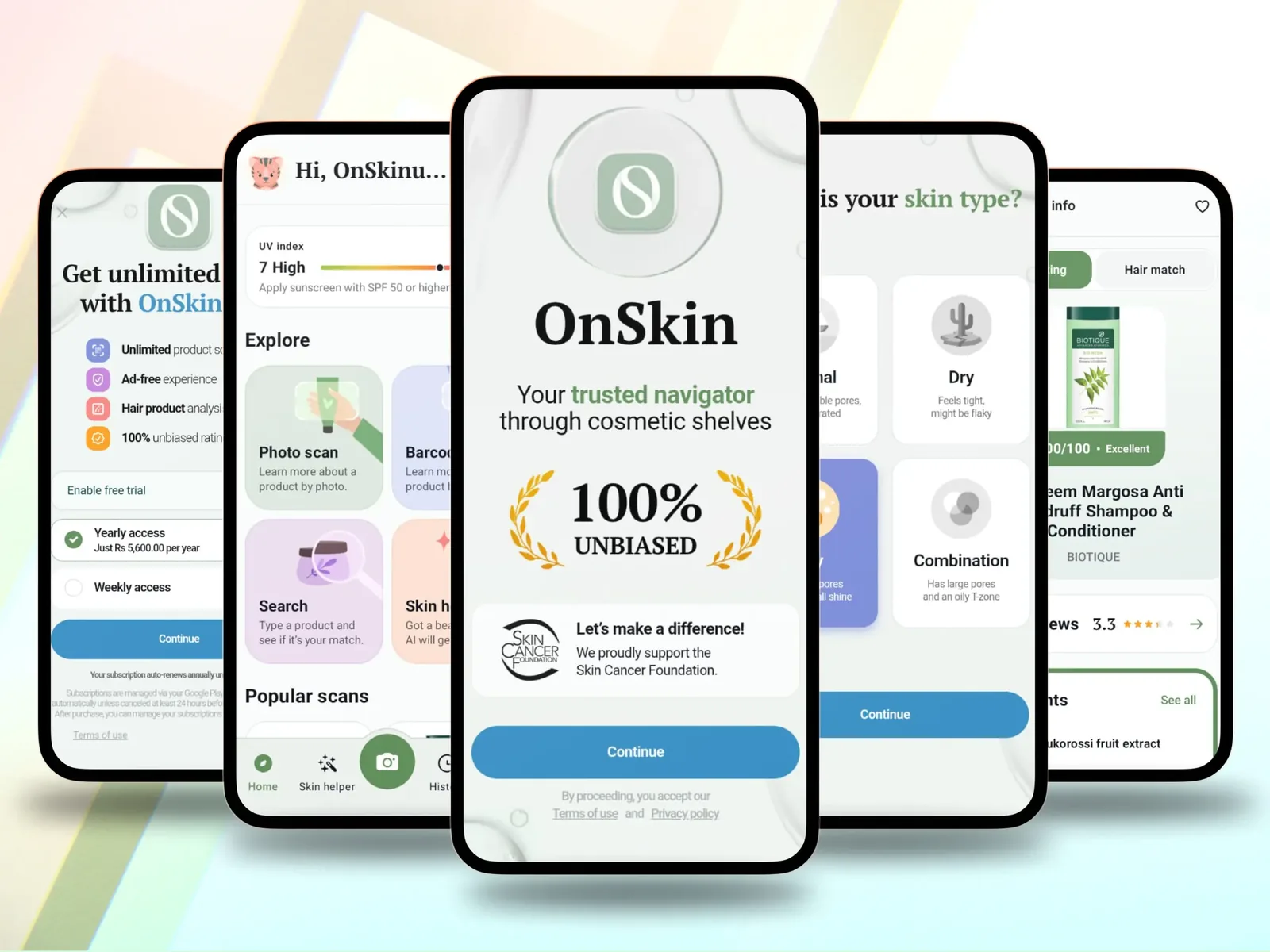
We built OnSkin's multi-modal scanning engine — barcode, photo, and text input — backed by AI safety scoring across a database of 2 million+ products. The app now serves 8 million+ users and won a Double Webby Award.
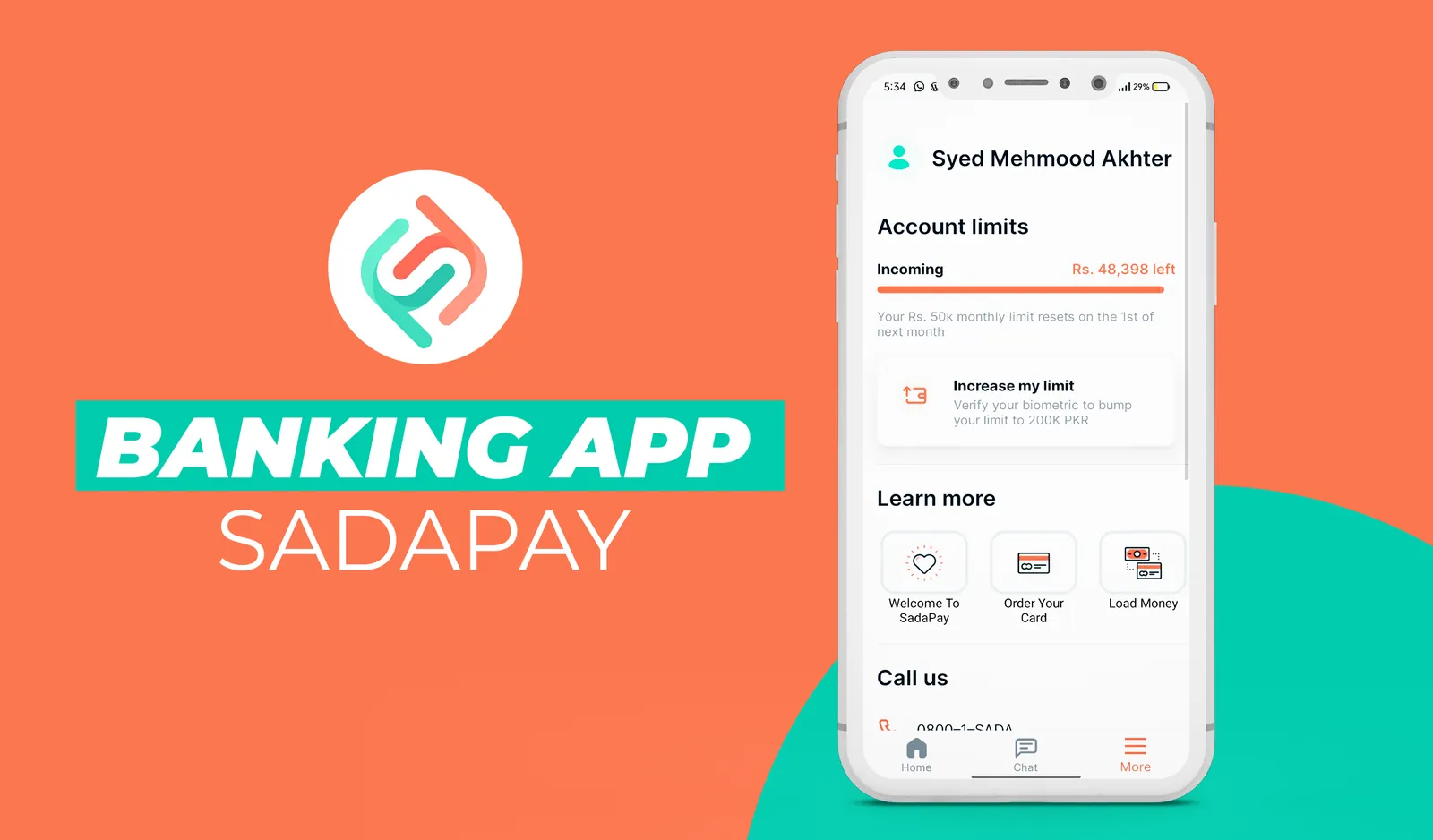
We delivered SadaPay's complete banking experience, including sub-2-minute NADRA-based KYC onboarding, instant Raast transfers, and free card issuance — growing to 5 million+ downloads and a strategic acquisition by Papara.
A well-built iOS app rests on the right combination of languages, frameworks, and tooling — not just the newest ones, but the ones proven to hold up in production.
 Swift
 Objective-C
 SQLite
 Realm
 TestFlight
Developers who build iOS and cross-platform apps, from the first release through store updates.
Enough depth to staff up when a project's timeline or scope shifts.
Direct access to your team and regular check-ins, not a black box until "reveal day."
3–6 months included with every project, covering fixes and stabilization.
Encryption and secure coding practices are standard on every build, not a paid add-on.
Across 35+ countries, spanning fintech, healthtech, and consumer apps.
Top-rated on Clutch and GoodFirms, and a Global Excellence Award USA 2024–25 recipient.
We match LLM capabilities and cloud infrastructure to the use case; our stack reduces risk, supports growth, and builds lasting systems.
 OpenAI
 Claude
 Gemini
 github
 ruby on rails
 node.js
 react
 next.js
 ios
 redis
 android
 figma
 sentry
 aws
 linear
 kubernetes
 aws s3
 notion
 digitalocean
 wordpress
 docker
Cost depends on complexity and feature scope. A basic iOS app or MVP typically starts around $25,000–$50,000, a standard business app runs $50,000–$150,000, and enterprise-grade apps with compliance requirements or advanced integrations can exceed $150,000. We provide an exact estimate after a discovery call.
Most iOS apps take 3–6 months from discovery to App Store launch. A lean MVP can often ship in 8–12 weeks, while enterprise builds with compliance and integration requirements typically run 6 months or more.
Yes. Every project includes 3–6 months of free post-launch support covering bug fixes and stabilization, with ongoing monitoring, feature updates, and OS-compatibility patching available as a long-term partnership.
We follow a five-stage process — Discovery, Design, Development, Testing, and Deployment — with regular sprint check-ins throughout, so you always know where the project stands.
Yes. We build against current iOS SDKs and test on the latest OS releases before submission, and our post-launch support covers compatibility patching as new iOS versions ship.
Yes. We audit your existing Android codebase and UX, then scope a native iOS build that follows Apple's Human Interface Guidelines rather than a direct port — since a good iOS app rarely looks identical to its Android counterpart.
Book a free consultation. We'll walk through your requirements, give you an honest scope and timeline, and outline next steps — no obligation.
Access to a premium, high-spending user base. Stronger security and data protection under Apple's platform standards. Higher revenue potential through in-app purchases and subscriptions. Consistent performance across a standardized device ecosystem. Immediate brand credibility through App Store presence. Faster QA cycles due to fewer device variations than Android. Strong long-term user loyalty from Apple's highly engaged user base.

Share your idea or the problem to solve — we’ll suggest a clear next step.